The best Satpura safari photos come from shooting during the golden-hour light of early morning and late afternoon safaris, using a telephoto lens (300mm+), fast shutter speeds for moving wildlife, and patience over chasing every sighting.
Whether you're a serious wildlife photographer or simply want better phone photos of your trip, a few practical adjustments can significantly improve your results on a Satpura safari.
Gear Recommendations
A telephoto lens in the 300-600mm range is ideal for serious wildlife photography, since safe distances from animals — particularly tigers — mean you'll rarely get close. A monopod or bean bag can help stabilize shots from a moving or stationary jeep without the bulk of a full tripod. For boat safaris, a slightly shorter lens (200-400mm) often works better given the more stable shooting platform and closer riverside subjects.
Best Light: Timing Matters More Than Gear
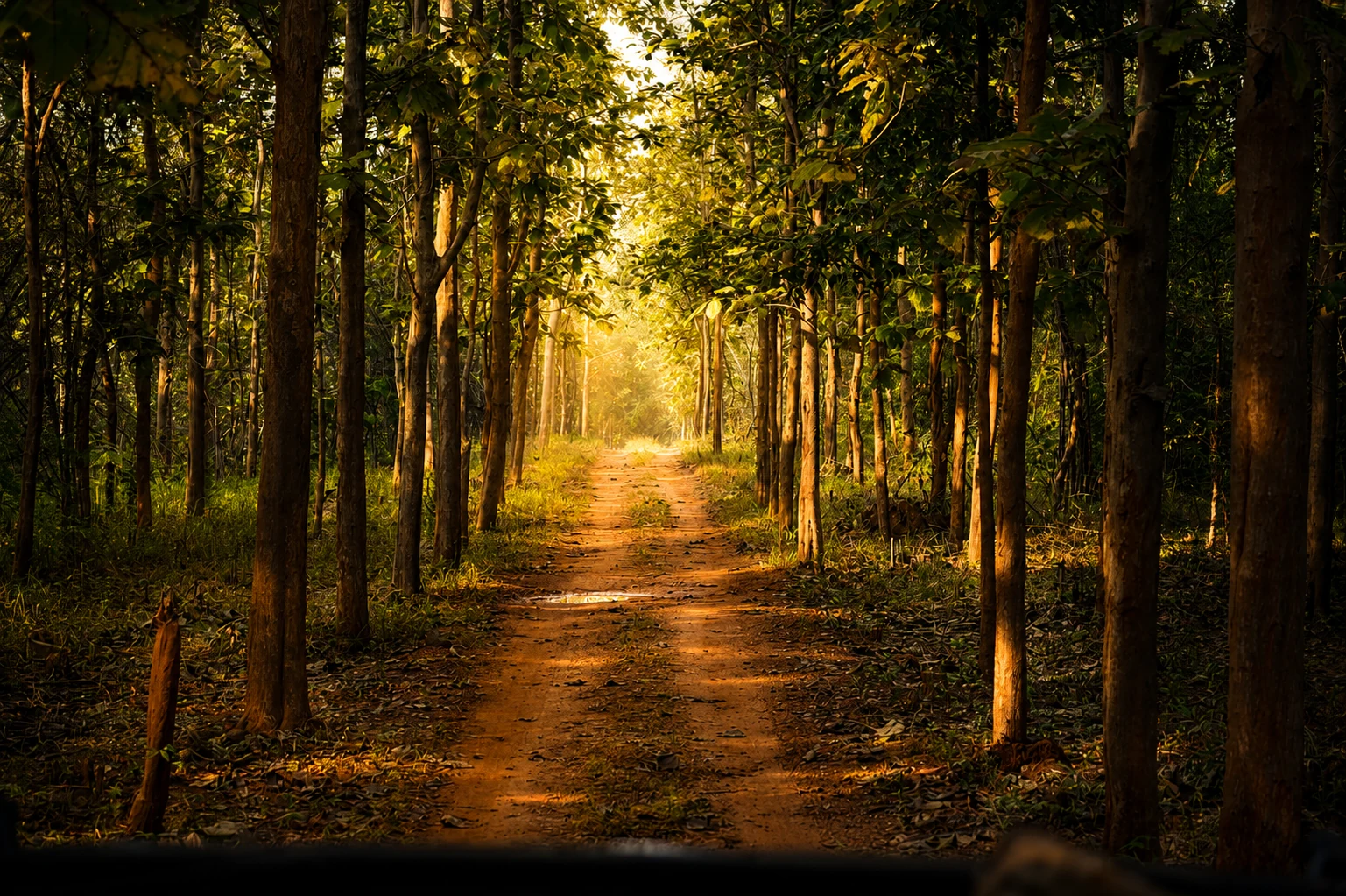
Early morning (just after sunrise) and late afternoon (the hour before sunset) offer the warm, directional "golden hour" light that makes wildlife photography look its best — and conveniently, these are also the peak animal activity windows. Midday light tends to be harsh and flat, another reason safaris are scheduled around dawn and dusk rather than midday.
Camera Settings for Moving Wildlife
A fast shutter speed (1/1000s or faster) helps freeze movement for active animals, while a wider aperture (low f-number) helps in low morning/evening light without pushing ISO too high. Continuous/burst shooting mode significantly increases your odds of capturing a sharp frame during brief, fast-moving encounters like a tiger crossing a track.
Photographing Different Safari Formats
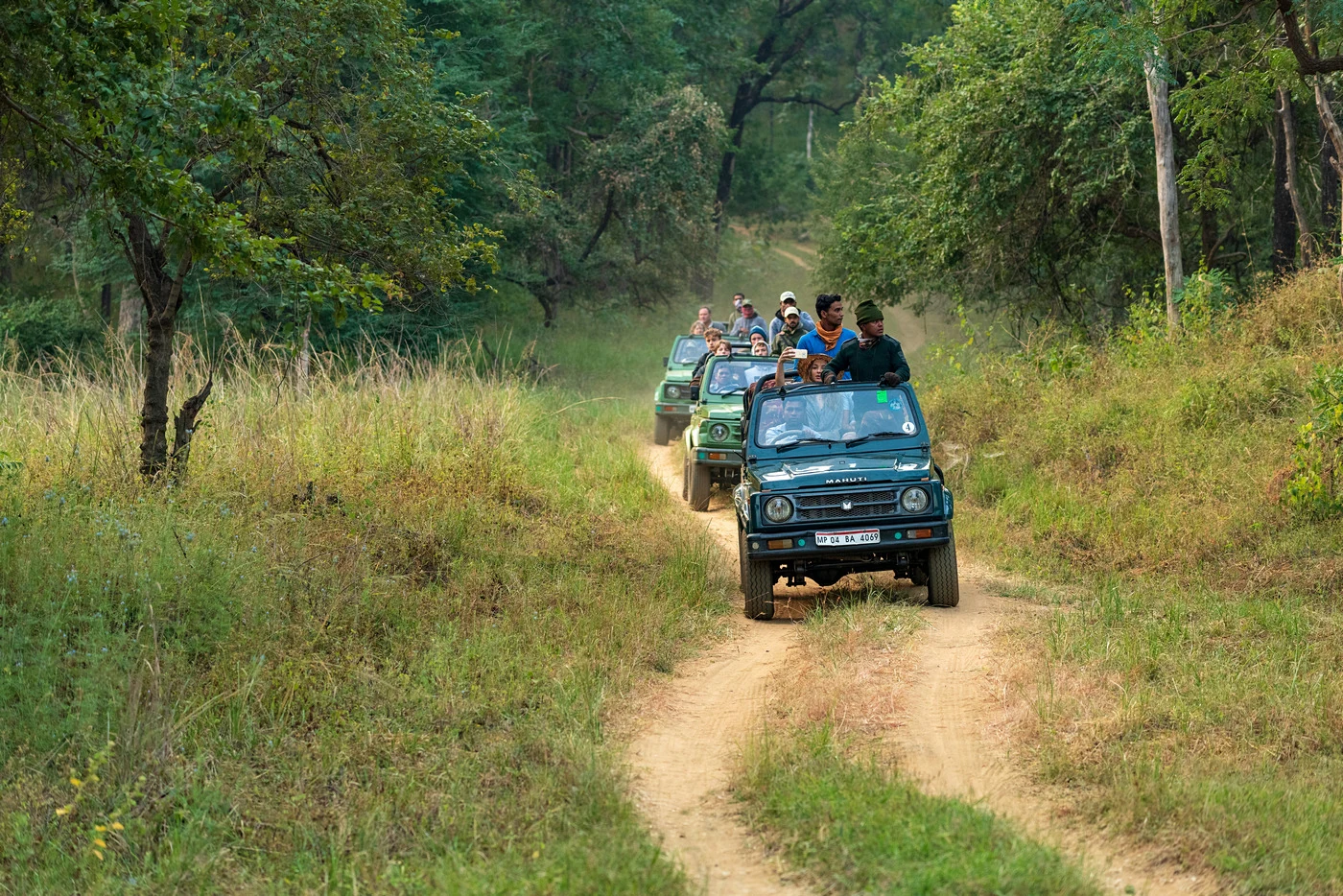
- Jeep safari: Expect to shoot from a moving or vibrating platform — brace your arms against the vehicle frame, not just your body, for extra stability.
- Walking safari: Lighter gear is preferable given the physical demands; a single versatile zoom lens often beats carrying multiple heavy lenses.
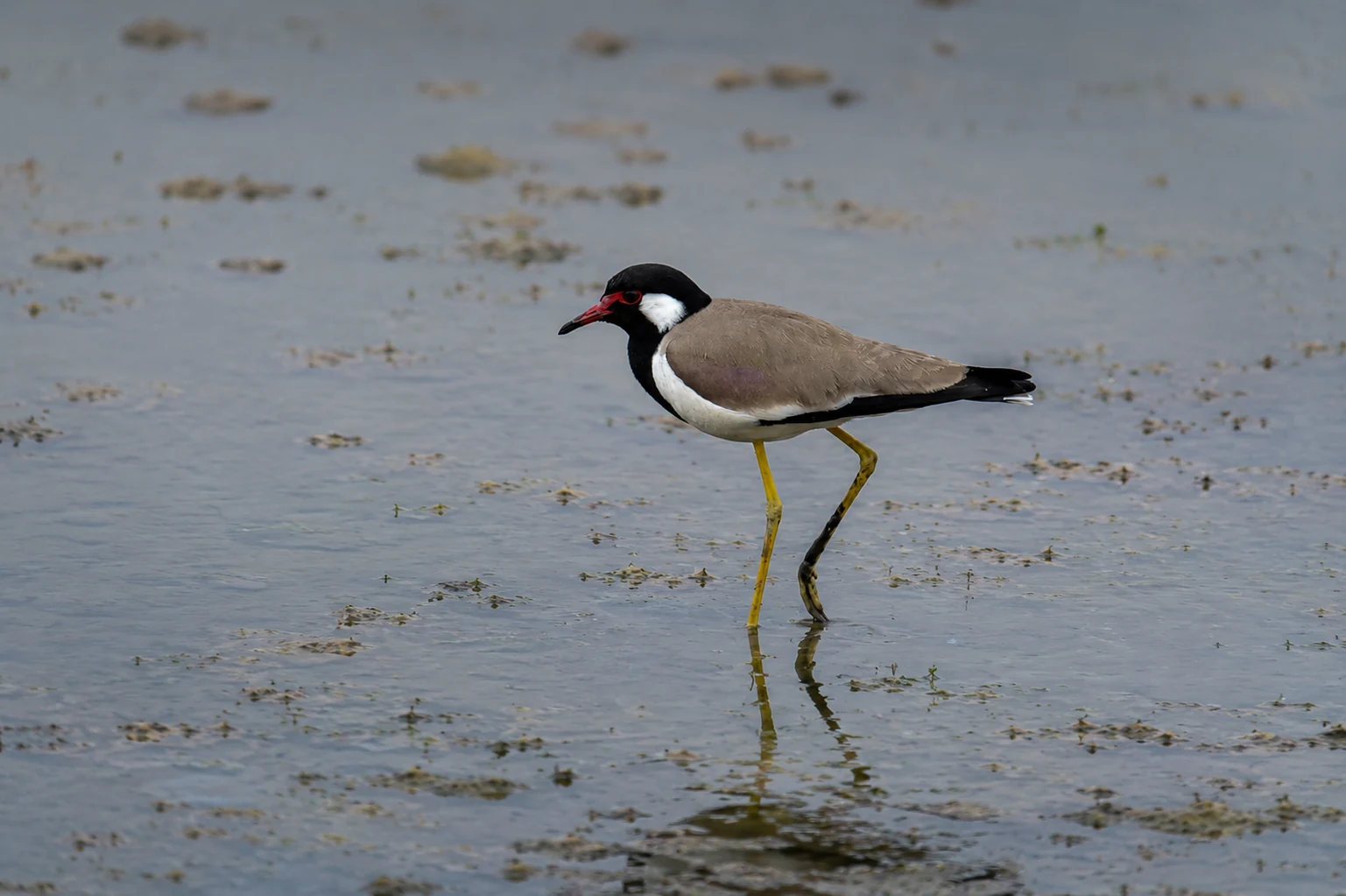
- Boat safari: The stable platform and proximity to the Denwa riverbank make this an excellent format for birdlife and reflection shots.
Safari Photography Etiquette
Maintain the safe distances set by your guide at all times — getting a closer shot is never worth disturbing wildlife or violating reserve safety protocols. Keep noise to a minimum, including camera shutter sounds where possible, since sudden noises can cause animals to flee before others in your vehicle get a shot.
Don't Just Chase the Tiger
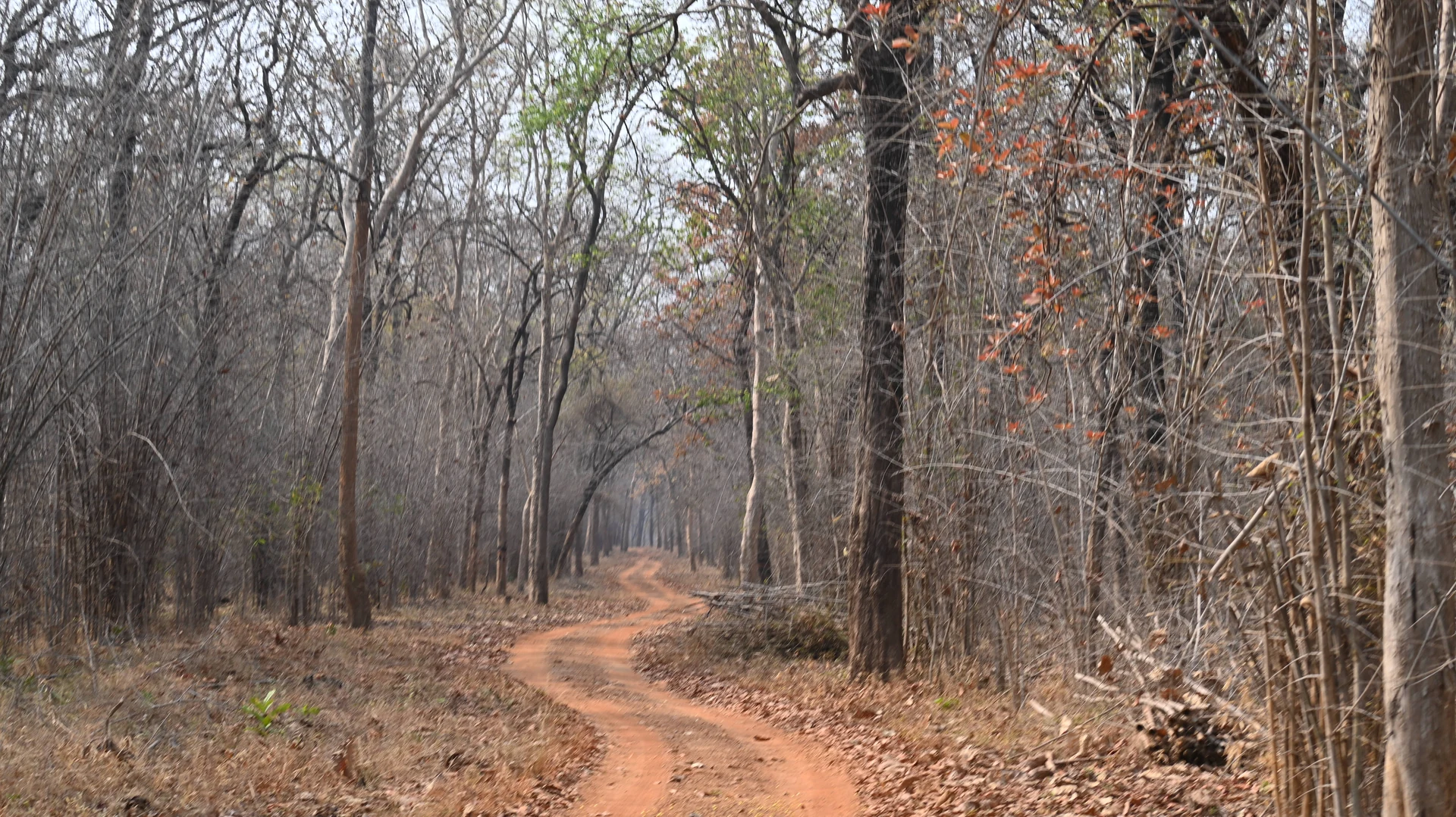
Some of the most striking Satpura photographs come from landscapes, birdlife, and the Denwa River backwaters rather than tiger close-ups. Given Satpura's lower tiger density compared to Kanha or Bandhavgarh, photographers who broaden their focus tend to come away with a more satisfying portfolio.
Frequently Asked Questions
What lens length is ideal for tiger photography in Satpura?
A 300-600mm telephoto range is generally recommended, given the safe-distance requirements around tigers.
Are phone cameras good enough for safari photography?
Phone cameras work reasonably well for landscapes and closer subjects (like on boat safaris) but struggle with distant or fast-moving wildlife compared to a dedicated zoom lens.
Is flash photography allowed during safaris?
Flash photography is generally discouraged or restricted around wildlife, as it can startle or distress animals.
What's the best safari format for bird photography specifically?
Boat safari, due to the stable platform and close proximity to riverside birdlife along the Denwa backwaters.
Bring your best gear and let us help plan your shoot. Book a photography-focused safari stay at Satpura Tiger Trails Resort & Farmstays with morning and evening slots optimized for light.