"Buffer mein suffer" (literally "suffer in the buffer") is a local, affectionate nickname for Satpura's buffer zone safari trails, known for their physically demanding terrain, rugged routes, and the rewarding wildlife encounters that come with the extra effort.
If you've come across the phrase "buffer mein suffer" while researching Satpura and weren't quite sure what it meant, you're not alone. It's a piece of local safari slang that's become genuinely popular among repeat visitors and guides — and understanding it will help you set the right expectations for one of Satpura's most distinctive experiences.
What Does "Buffer Mein Suffer" Actually Mean?
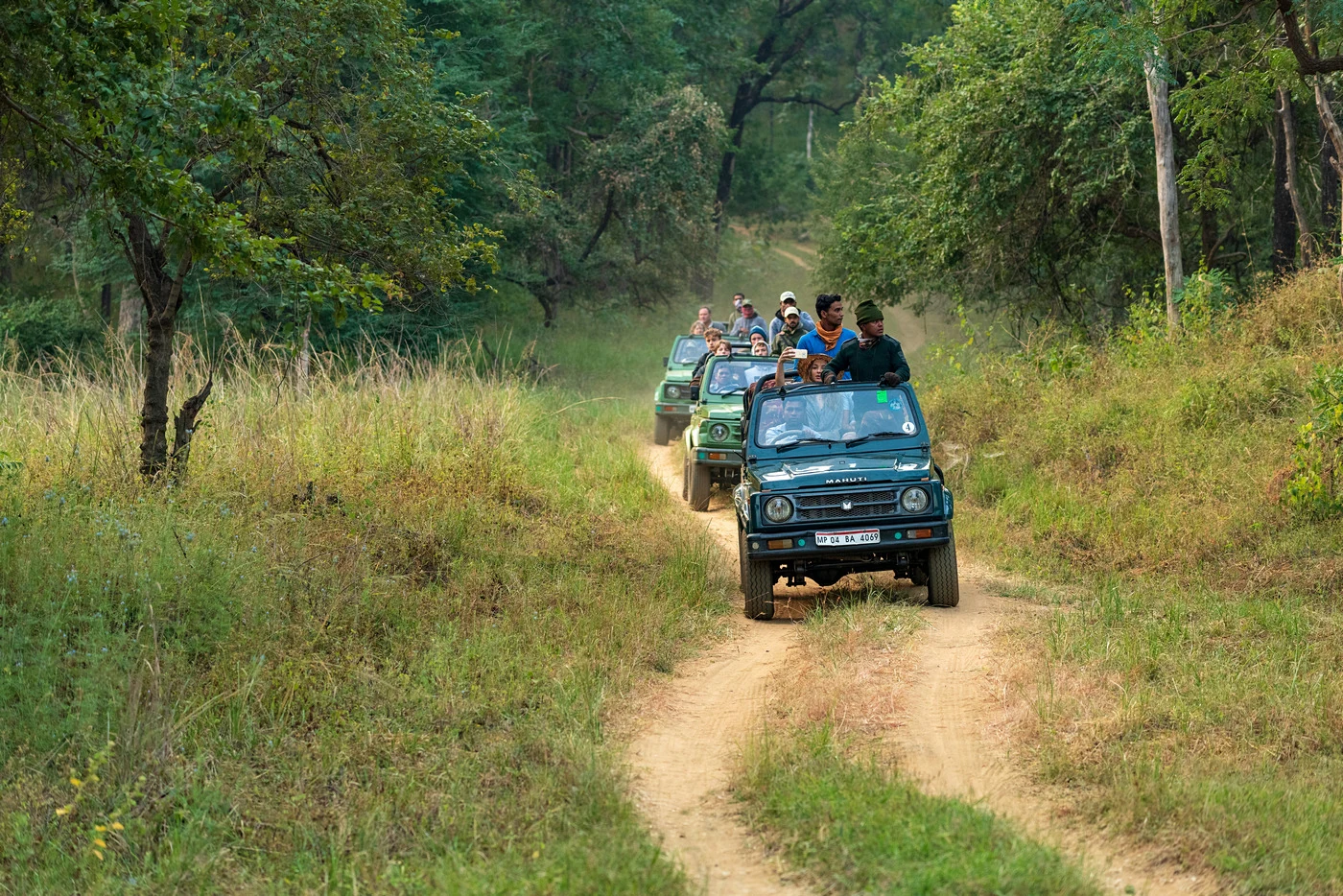
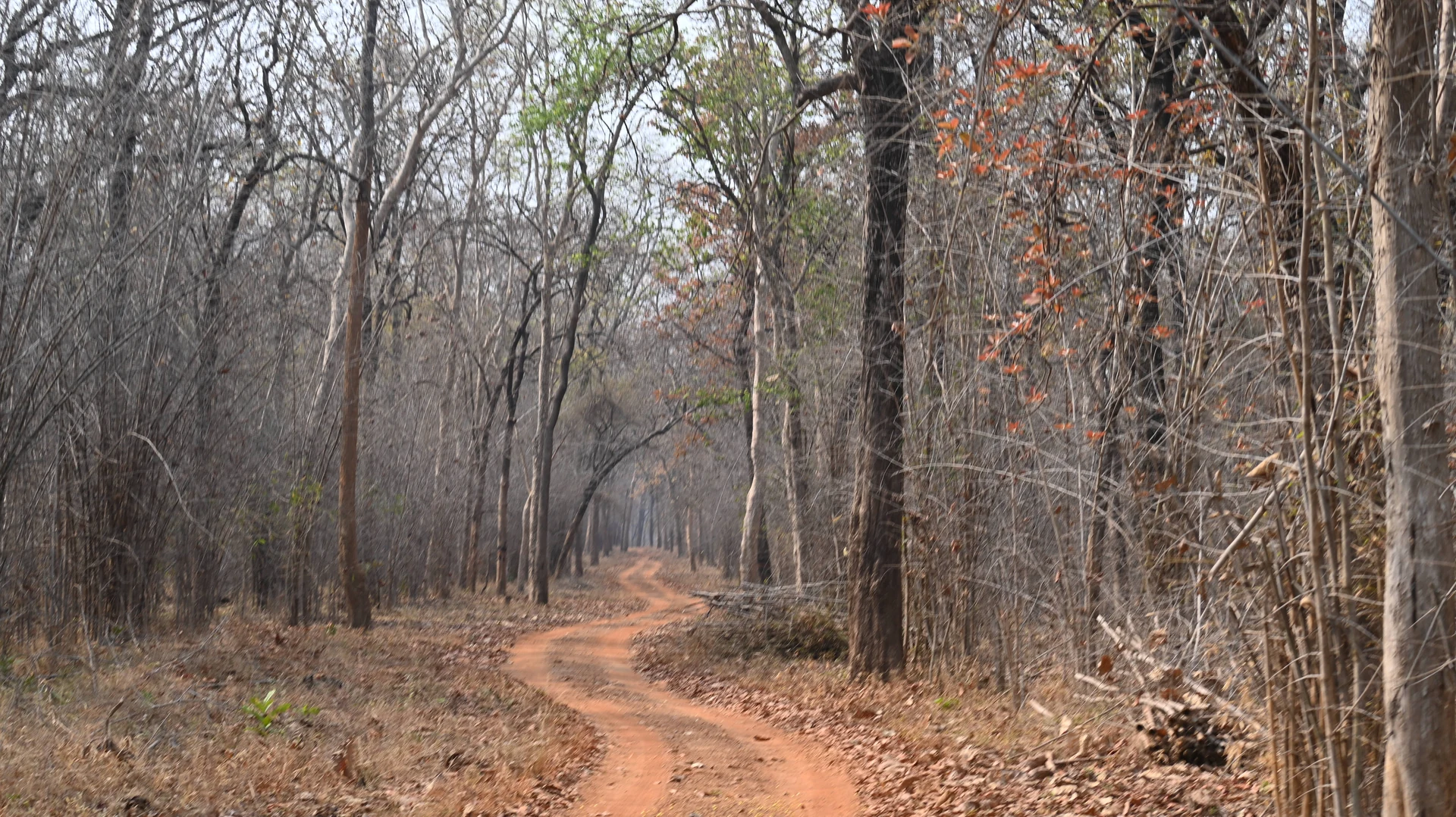
The phrase plays on the buffer zone — the area surrounding Satpura's core tiger reserve — and the word "suffer," used affectionately to describe how physically demanding some of the buffer zone's trails can be. Unlike the more curated, smoother routes of the core zone, buffer zone trails often involve rougher terrain, longer stretches, and a generally wilder, less manicured experience.
Locals and frequent visitors use the phrase with a mix of humor and pride — "suffering" here isn't a complaint, it's a badge of having done the real, unfiltered version of a Satpura safari.
Why the Buffer Zone Is Tougher
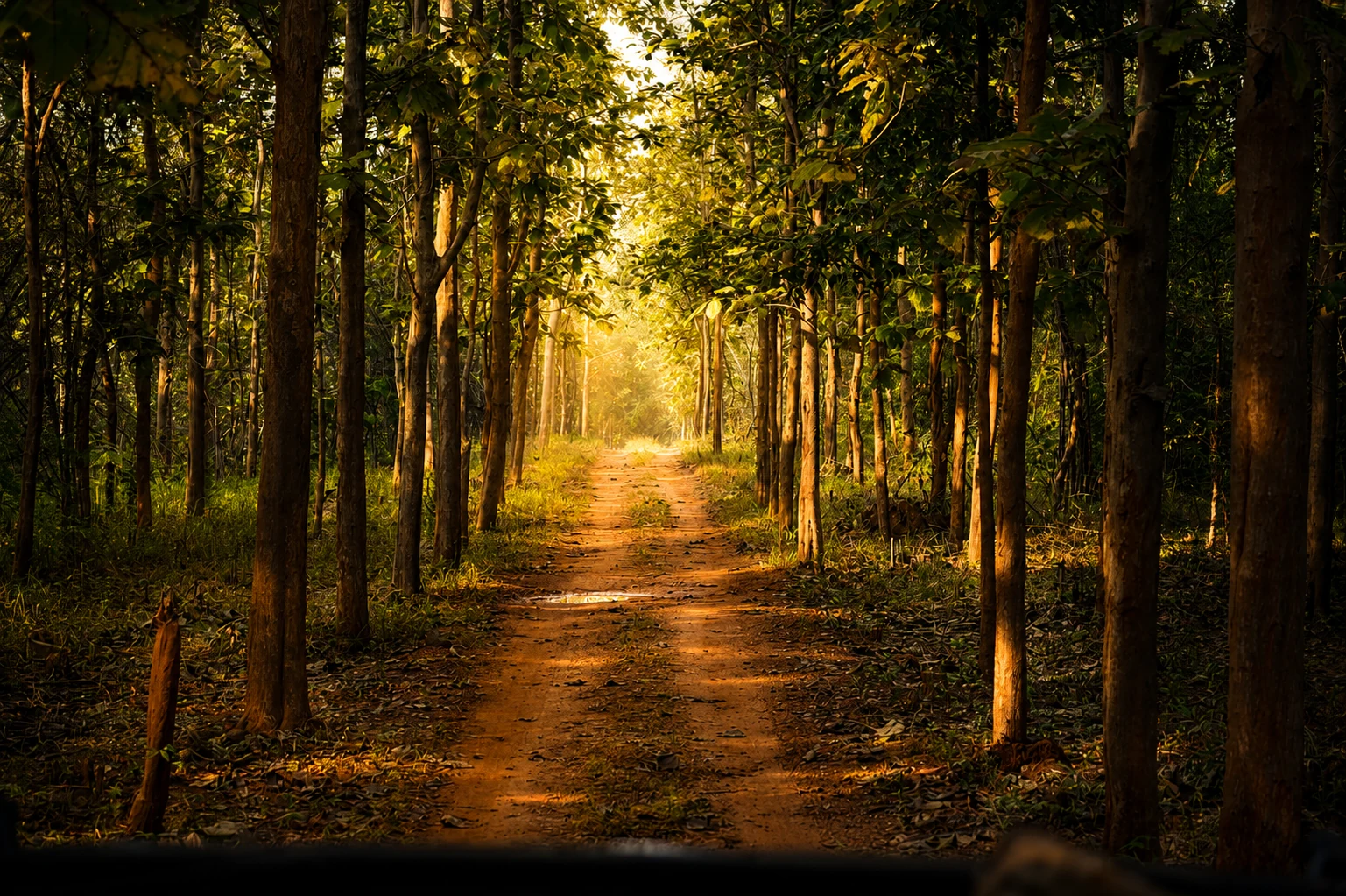
The buffer zone surrounds the strictly protected core area and tends to have less-maintained tracks, more elevation changes given Satpura's hilly terrain, and longer distances between sighting opportunities. Vehicles (and walking safari routes) here cover ground that isn't smoothed out for tourist comfort the way some core-zone routes are.
What You Actually Experience
Despite the name, "suffering" here mostly means a bumpier, longer, more physically engaging safari — not danger or genuine hardship. What you gain in return is access to areas with far fewer visitors, a stronger sense of real wilderness, and often surprising wildlife encounters precisely because these routes see less traffic.
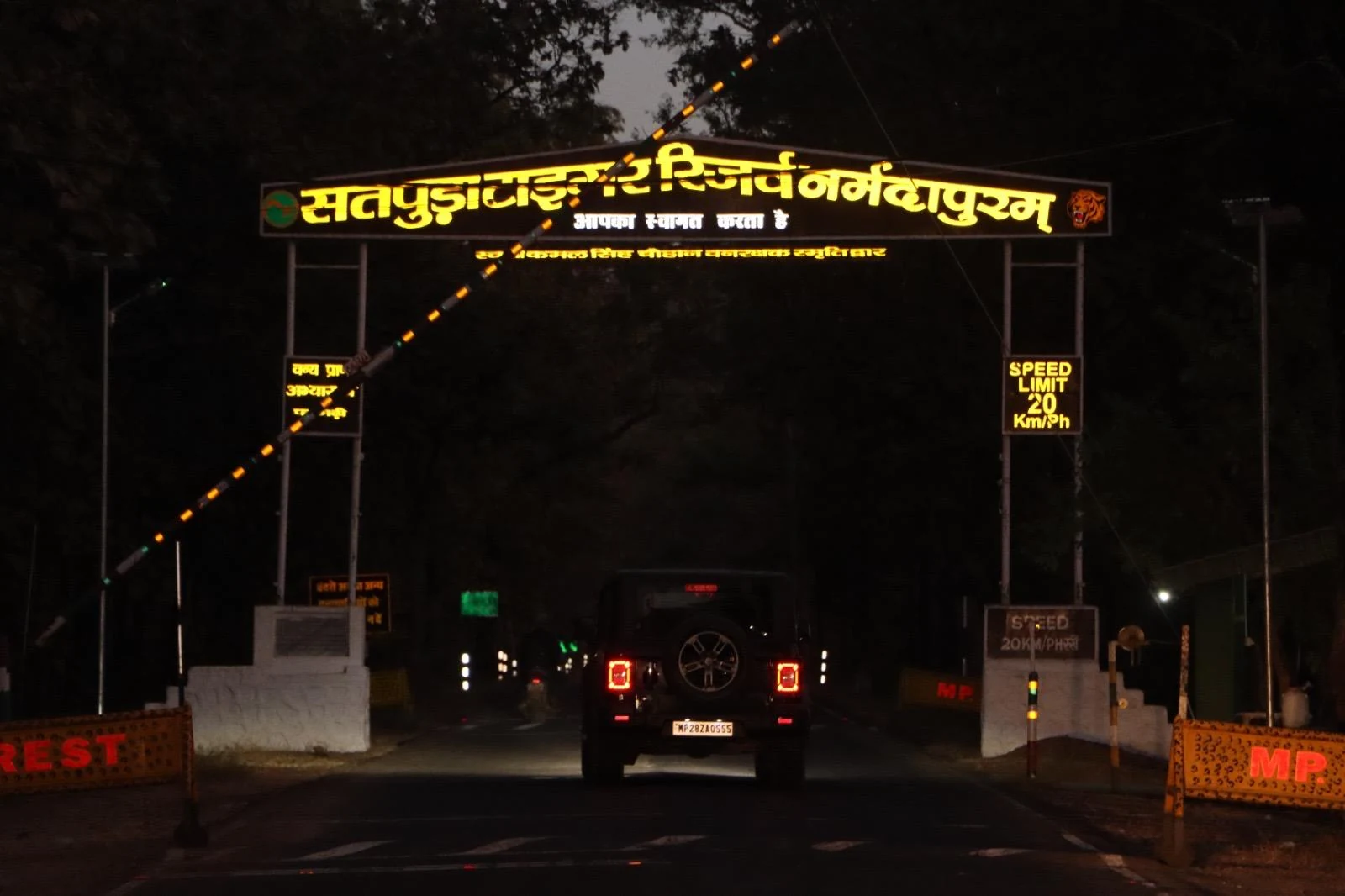
Buffer zone safaris, particularly the walking format, are accessed through gates like Bagdara, and are best suited to visitors who've already done a standard jeep safari and want something rawer and more memorable.
Who Should Try It
- Visitors who've already experienced a standard core-zone jeep safari and want something more adventurous
- Wildlife photographers seeking less-photographed, less-crowded backdrops
- Travelers who genuinely enjoy a physically engaging outdoor experience, not just a passive vehicle ride
Who Might Want to Skip It
Visitors with mobility limitations, very young children, or those purely focused on a comfortable, guaranteed tiger photograph may find the standard jeep safari in core zones a better fit.
How to Plan a Buffer Zone Experience
Buffer zone trails are best arranged through a local resort or guide familiar with current trail conditions, since routes and accessibility can shift seasonally — particularly after monsoon, when paths may still be recovering. Staying within the buffer zone itself, as our farmstay does, gives you a logistical head start, since you're often starting your safari from inside the zone rather than commuting in.
Frequently Asked Questions
Is "buffer mein suffer" an official park term?
No, it's informal local slang used by guides and repeat visitors to describe the buffer zone's demanding trails.
Is the buffer zone safari dangerous?
Not inherently — it's physically more demanding due to terrain, not more dangerous, and is conducted with trained guides.
Can beginners attempt the buffer zone walking safari?
Yes, with reasonable fitness, though it's a more strenuous experience than a standard jeep safari.
Does staying in the buffer zone give any safari advantage?
Yes — proximity reduces travel time to trailheads and often allows more flexible timing for early morning starts.
Ready to experience it for yourself? Stay right inside the buffer zone at Satpura Tiger Trails Resort & Farmstays and let us arrange your "buffer mein suffer" trail safari.