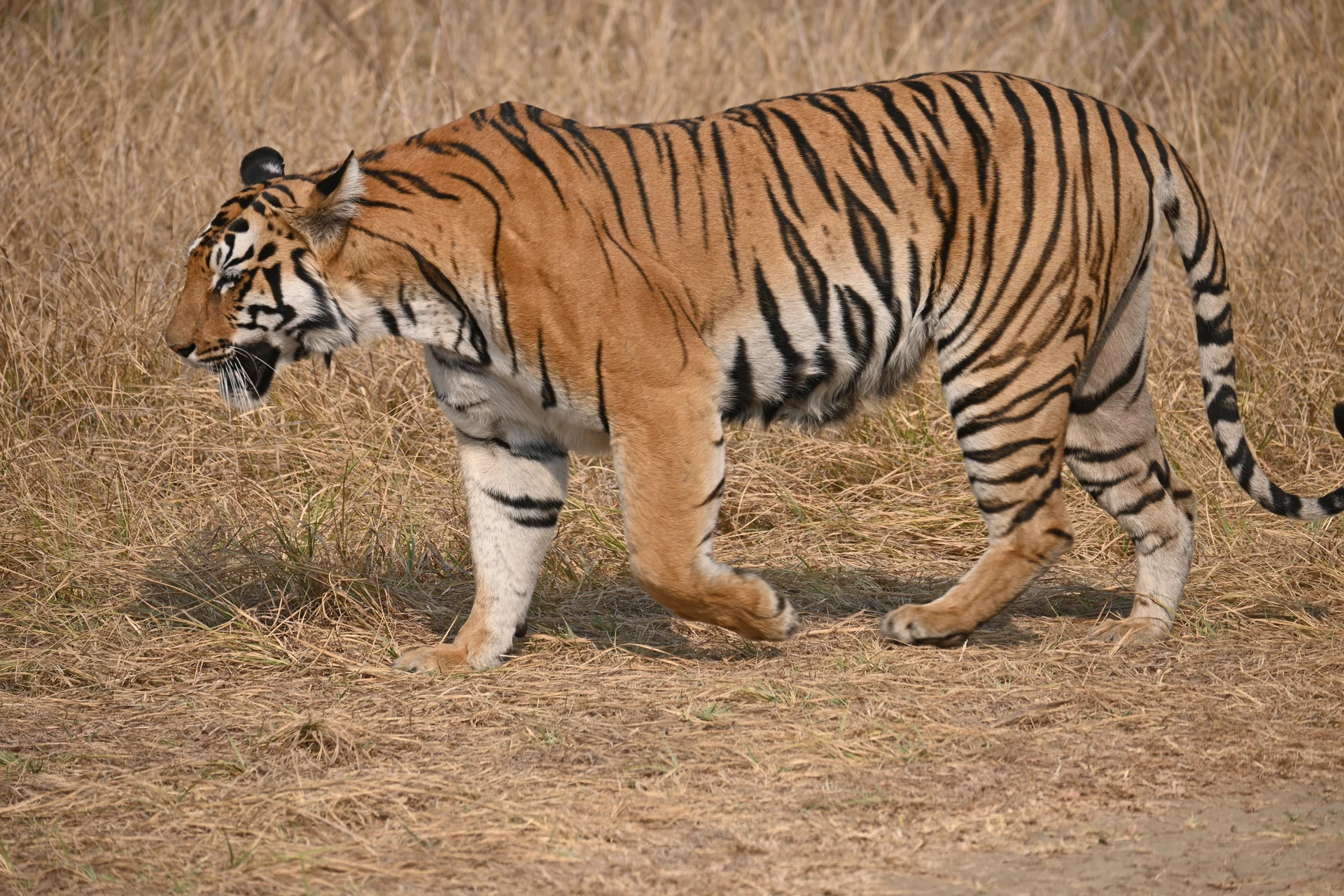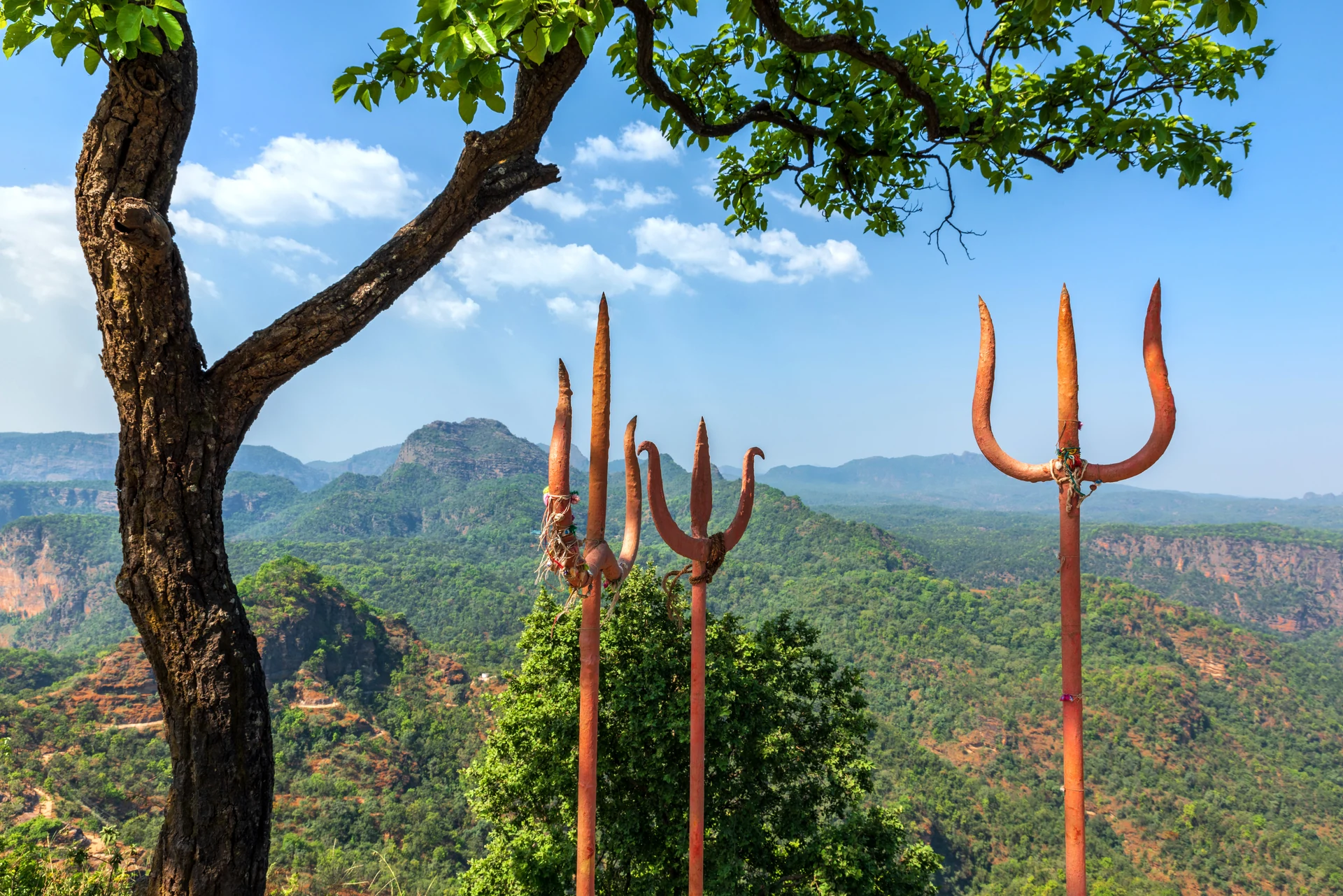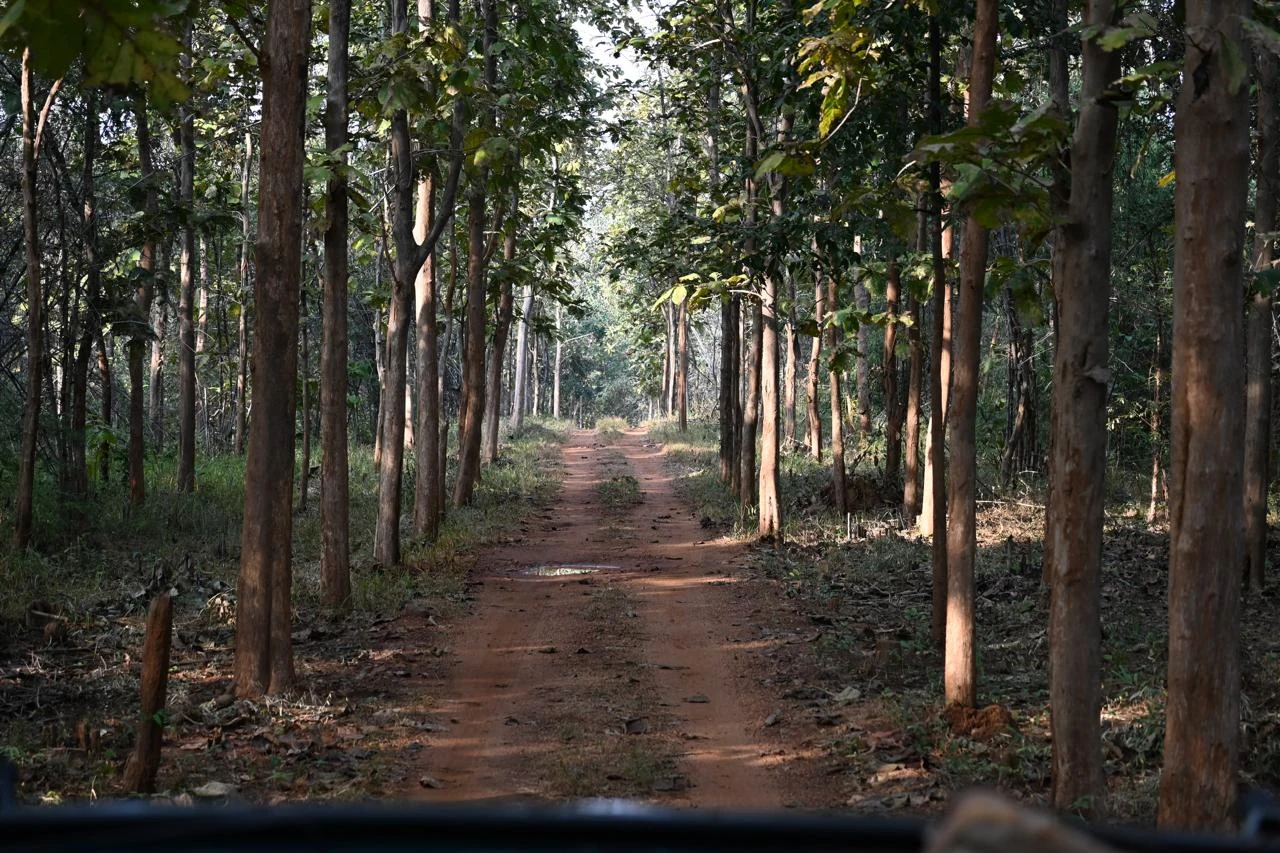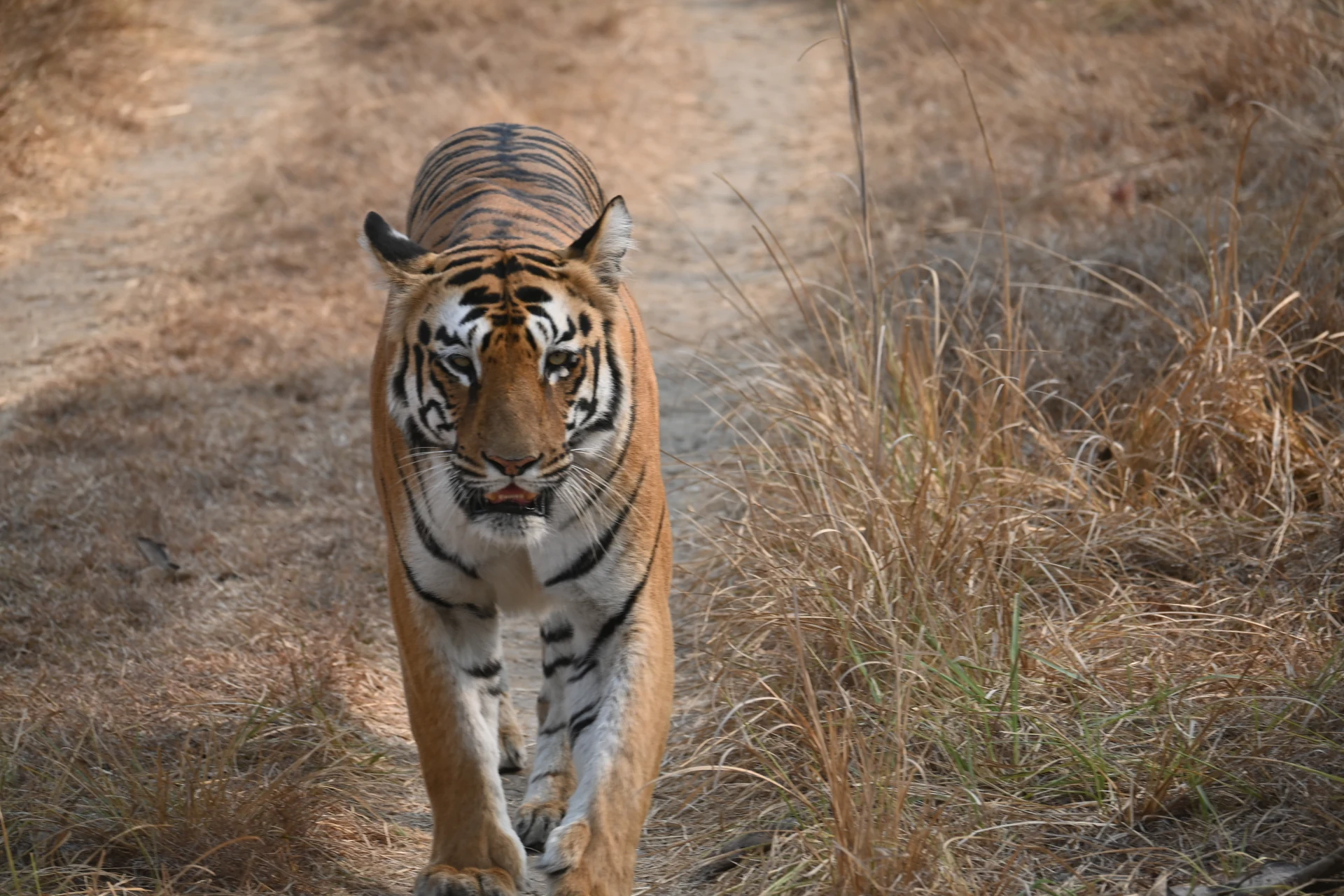
The best months for tiger sightings in Satpura are March, April, and May, when dry conditions push tigers toward waterholes and rivers, increasing visibility. October to February offers more comfortable weather but slightly lower sighting odds.
Timing matters more in Satpura than in most reserves, because its dense, hilly terrain gives tigers far more cover than the open grasslands of Kanha. Understanding seasonal patterns can make the difference between a forgettable drive and a sighting you'll talk about for years.
October to November: Post-Monsoon Lushness
The park reopens in October after the monsoon closure. Forests are at their greenest, rivers and waterholes are full, and the temperature is pleasant (20-30°C). Tiger sightings are possible but less predictable, since abundant water across the reserve means animals aren't forced toward specific spots. This period is excellent for birding and overall scenery.
December to February: Peak Comfort Season
Cool, dry weather (10-25°C) makes this the most comfortable period to safari, especially for early morning drives and walking safaris. Visibility in the forest improves as undergrowth thins slightly. This is peak tourist season across Madhya Pradesh generally, though Satpura remains far less crowded than Kanha or Bandhavgarh even now.
March to May: Best for Tiger Sightings
As temperatures climb (up to 40°C+ by May), water sources shrink and tigers, along with other wildlife, become far more dependent on specific waterholes and the Denwa riverside. This predictability is exactly why serious wildlife photographers consider March-May the prime window for sightings, despite the heat. Early morning and late afternoon safaris are most productive, when temperatures are bearable and animal movement peaks.
June: Last Window Before Closure
The reserve closes for monsoon around the end of June. This brief window often delivers dramatic pre-monsoon skies and continued strong sighting odds, similar to May, for travelers who can handle the heat.
July to September: Reserve Closed
Satpura, like most Indian tiger reserves, closes its core safari zones during monsoon for ecological and safety reasons. Some buffer zone and nature-based experiences outside the core may still be accessible — this is also when the forest is at its most visually dramatic, with monsoon greenery and seasonal phenomena like firefly displays in the surrounding buffer areas.
Our Recommendation
If your priority is tiger sightings, plan for March-May and book early morning safari slots. If your priority is comfort and scenery, October-February is ideal. Either way, staying within the buffer zone — rather than commuting in from farther towns — gives you first access to early morning safari slots, which matter significantly for sighting odds regardless of season.
Frequently Asked Questions
What is the single best month to visit Satpura for tigers?
April is generally considered the peak month, balancing high sighting probability with the reserve still being fully open and accessible.
Is Satpura open year-round?
No, it typically closes during the monsoon months (July-September) and reopens in October.
Is summer (March-May) too hot to visit?
Daytime temperatures can exceed 40°C, but early morning and late afternoon safaris remain comfortable, and sighting odds are highest during this period.
Does monsoon closure affect resort stays too?
Core safari zones close, but stays focused on nature, farm experiences, and buffer-zone activities can often continue depending on the specific resort and zone.
Planning your sighting-focused trip? Check safari season availability with Satpura Tiger Trails Resort & Farmstays and book the timing that maximizes your chances.