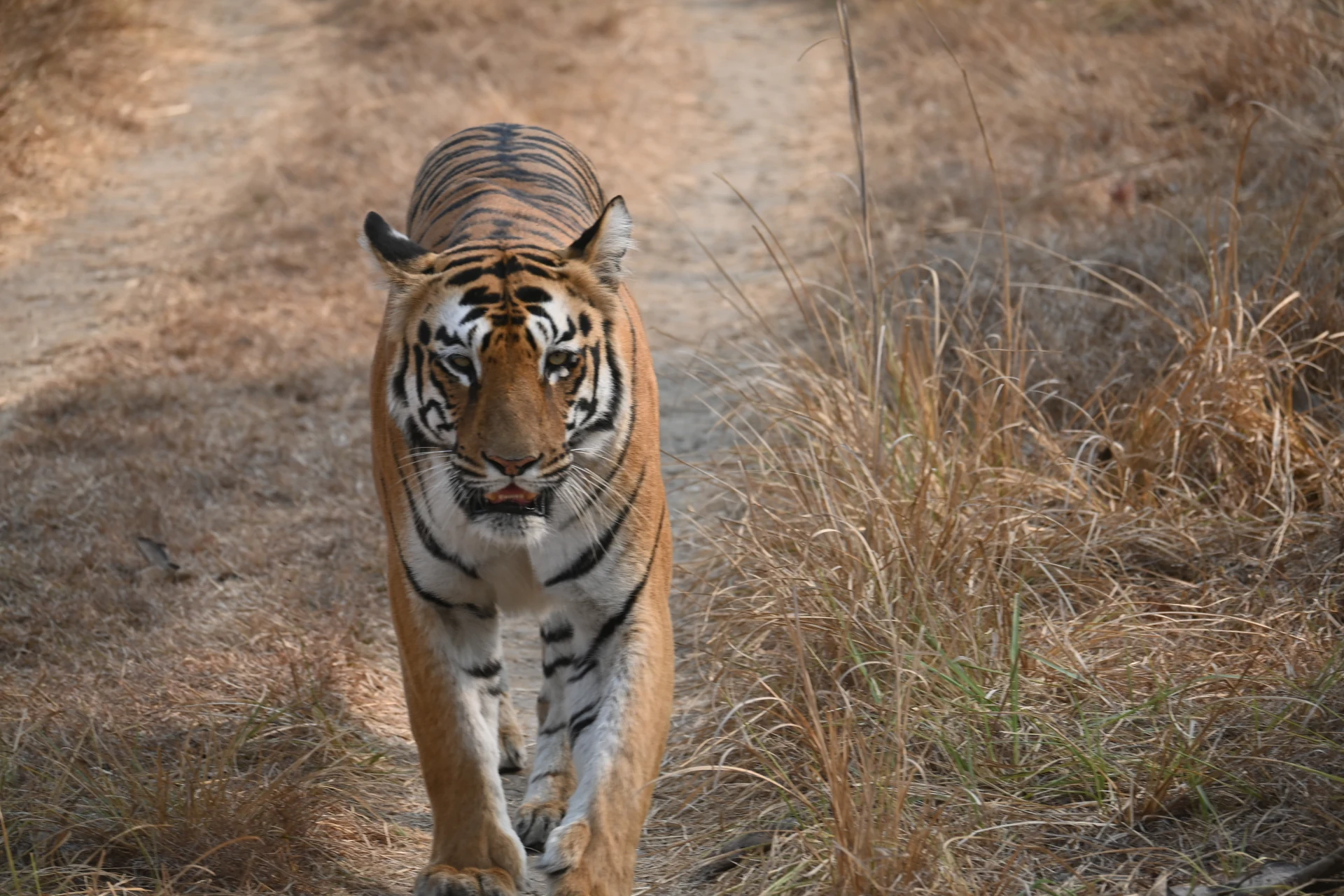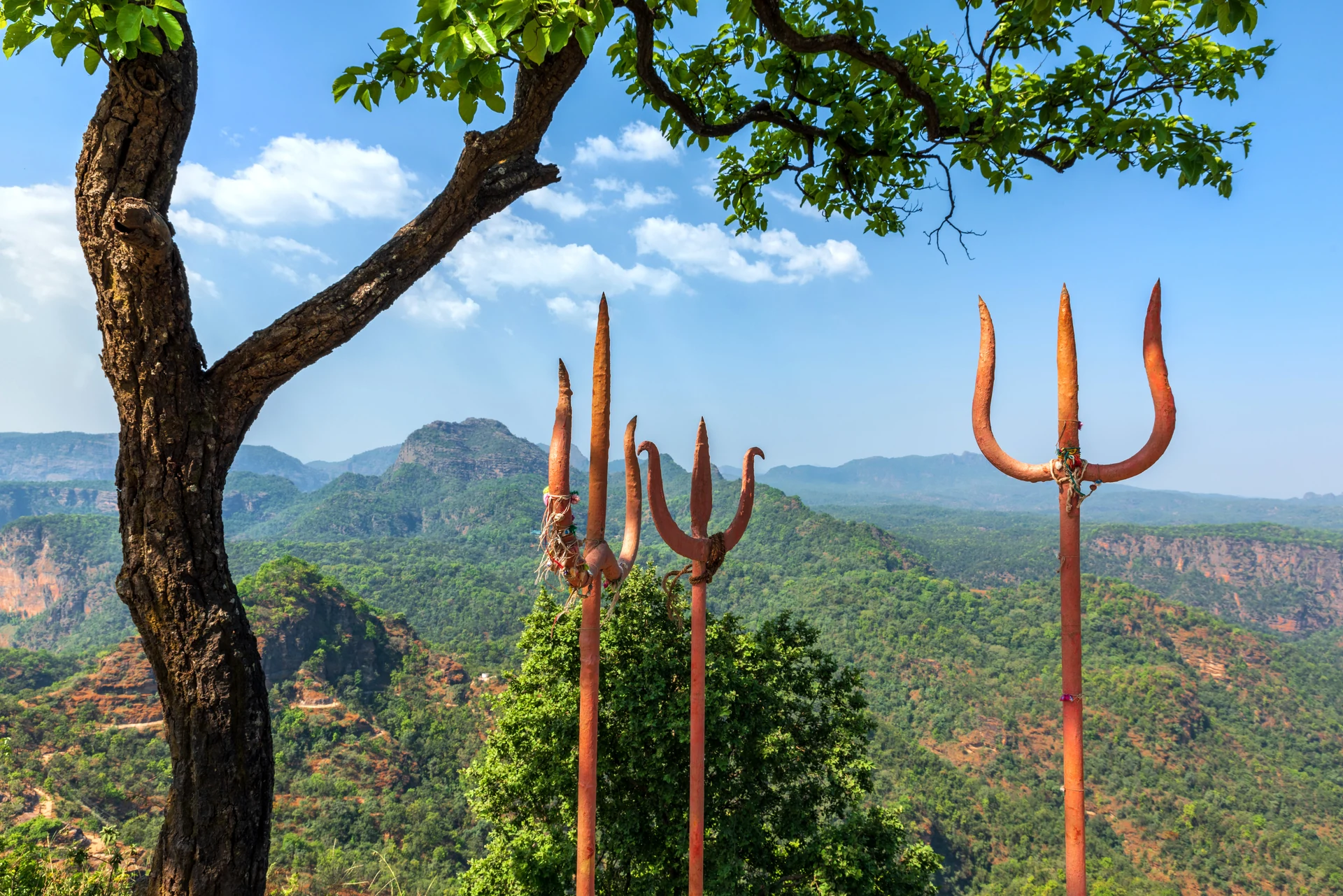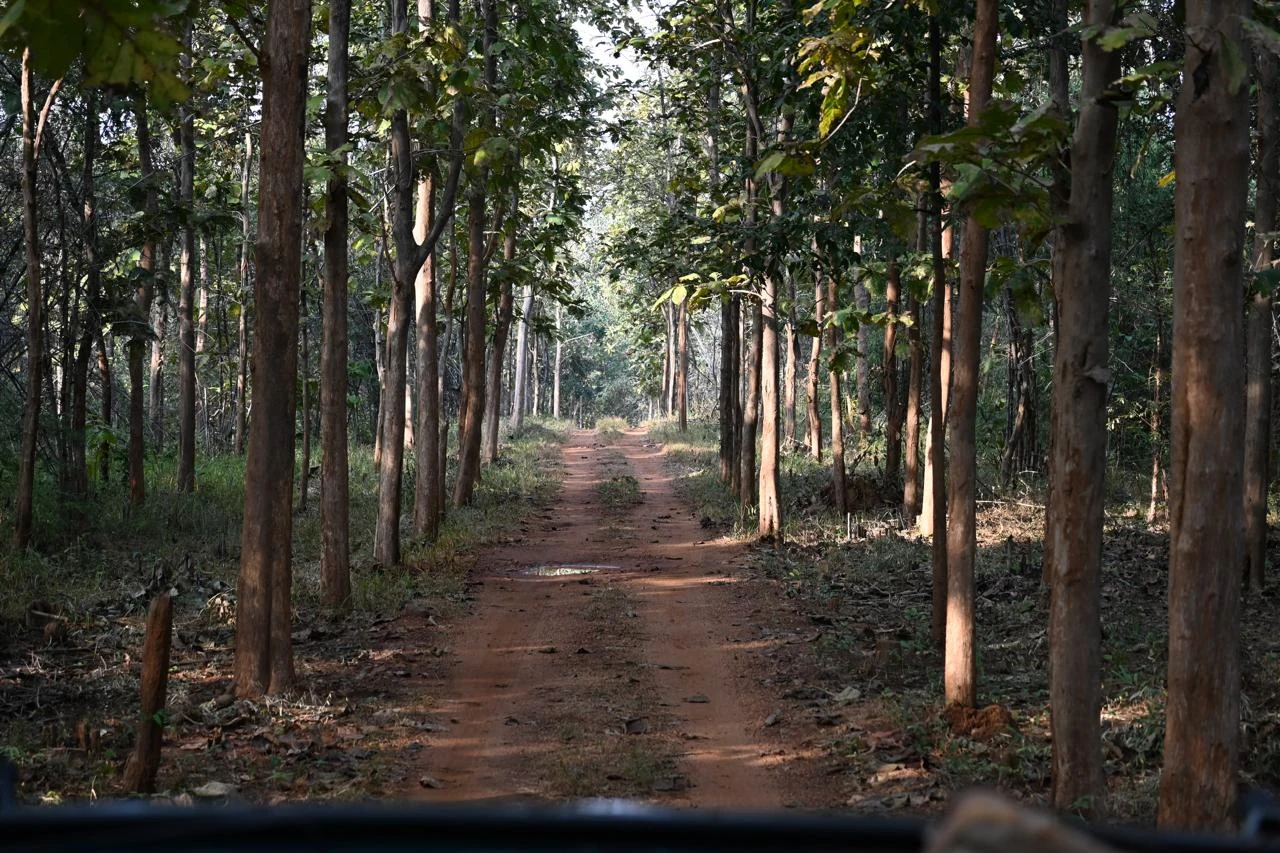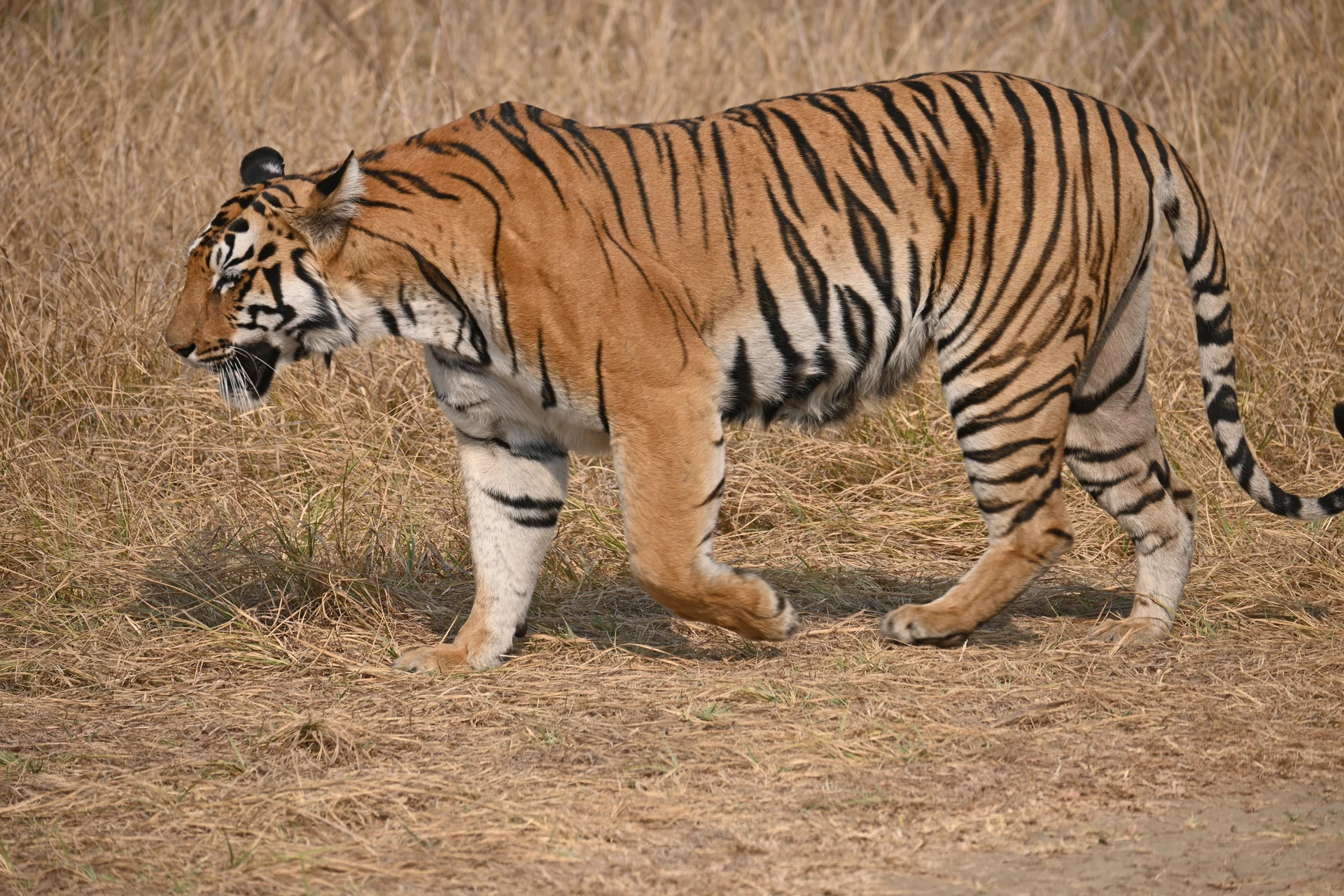
Satpura Tiger Reserve is a 2,200 sq km wildlife reserve in Madhya Pradesh, known for tiger sightings, walking safaris, and dense, undisturbed forest. Unlike Kanha or Bandhavgarh, Satpura allows on-foot and boat safaris, making it one of India's most immersive wildlife experiences. The best time to visit is October to June, with March-May offering the highest tiger sighting probability.
If you're planning your first trip to Satpura Tiger Reserve, you've picked one of India's most underrated wildlife destinations. While Kanha and Bandhavgarh dominate most "Madhya Pradesh wildlife" conversations, Satpura offers something different: genuine wilderness, far fewer crowds, and safari formats — walking and boat safaris — that most other reserves don't allow at all.
This guide covers everything a first-time visitor needs: how the reserve is structured, what wildlife you can expect, when to go, and how to plan a stay that actually maximizes your chances of a great sighting.
Where Is Satpura Tiger Reserve?
Satpura Tiger Reserve sits in the Hoshangabad (Narmadapuram), Betul, and Chhindwara districts of Madhya Pradesh, spread across the Satpura hill range. It comprises Satpura National Park, Bori Wildlife Sanctuary, and Pachmarhi Wildlife Sanctuary combined, making it one of the larger protected forest landscapes in central India.
The terrain here is hillier and more rugged than the flatter sal forests of Kanha, which is part of why Satpura feels wilder and less manicured — and why fewer vehicles are allowed inside at any given time.
What Makes Satpura Different From Other Tiger Reserves
Most visitors comparing Madhya Pradesh's tiger reserves want to know what sets Satpura apart. Three things stand out:
- Walking safaris and boat safaris are permitted in addition to jeep safaris — a rarity among Indian tiger reserves, where most parks restrict you to a vehicle.
- Lower vehicle density. Satpura caps the number of safari vehicles allowed per zone far more strictly than Kanha or Bandhavgarh, so sightings feel less crowded and more personal.
- Buffer zone safaris are a genuine highlight here rather than an afterthought, with a reputation tough enough among regulars to have earned the local nickname "Buffer mein Suffer" (suffer in the buffer) — referring to how physically demanding and thrilling these buffer-zone routes can be.
Wildlife You Can Expect to See
While the Bengal tiger is the headline species, Satpura's appeal lies in its biodiversity. Visitors regularly report sightings of leopards, sloth bears, Indian gaur (bison), wild dogs (dhole), four-horned antelope, and over 200 species of birds. The varied terrain — river valleys, dense sal and teak forest, and open grassland — supports a wider range of species than many flatter reserves.
Safari Zones and Entry Gates
Satpura is accessed through a few main gates, each opening into different safari zones:
- Madhai (Madai) Gate — the principal tourism gate, offering jeep, boat, and walking safaris, and access to the Denwa River backwaters.
- Churna Zone — known for tiger density within the core area.
- Bagdara Gate — a quieter entry point into buffer zone routes.
We've written a dedicated, more detailed breakdown of each gate and zone if you want to plan your safari route in advance.
Best Time to Visit
Satpura is open from October to June (closed during monsoon, roughly July to September, for ecological reasons). Broadly:
- October–February: Pleasant weather, lush greenery left over from monsoon, good birding.
- March–May: Hot, but the best window for tiger sightings as animals visit waterholes more predictably.
- June: Last window before closure, often dramatic and dry.
Where to Stay
Most visitors base themselves near the Madhai gate or within the buffer zone, where several resorts and farmstays — including ours, Satpura Tiger Trails Resort & Farmstays — offer direct access to safari bookings, guided experiences, and a stay genuinely immersed in the forest rather than a generic hotel a long drive away.
Frequently Asked Questions
Is Satpura Tiger Reserve good for first-time wildlife visitors?
Yes. Its varied safari formats (jeep, walking, boat) make it especially good for visitors who want more than just a vehicle-bound drive-through experience.
How many days do I need at Satpura?
A minimum of 2-3 nights is recommended to cover multiple safari zones and increase your chances of a tiger sighting.
Is Satpura better than Kanha or Bandhavgarh for tigers?
Kanha and Bandhavgarh generally have higher tiger density, but Satpura offers more varied terrain, fewer crowds, and unique safari formats unavailable elsewhere.
Can I do a walking safari in Satpura?
Yes, walking safaris are permitted in designated buffer zones with armed guides — one of the few reserves in India to allow this.
Ready to plan your Satpura trip? Book your stay and safari package with Satpura Tiger Trails Resort & Farmstays and experience the reserve from right inside its buffer zone.