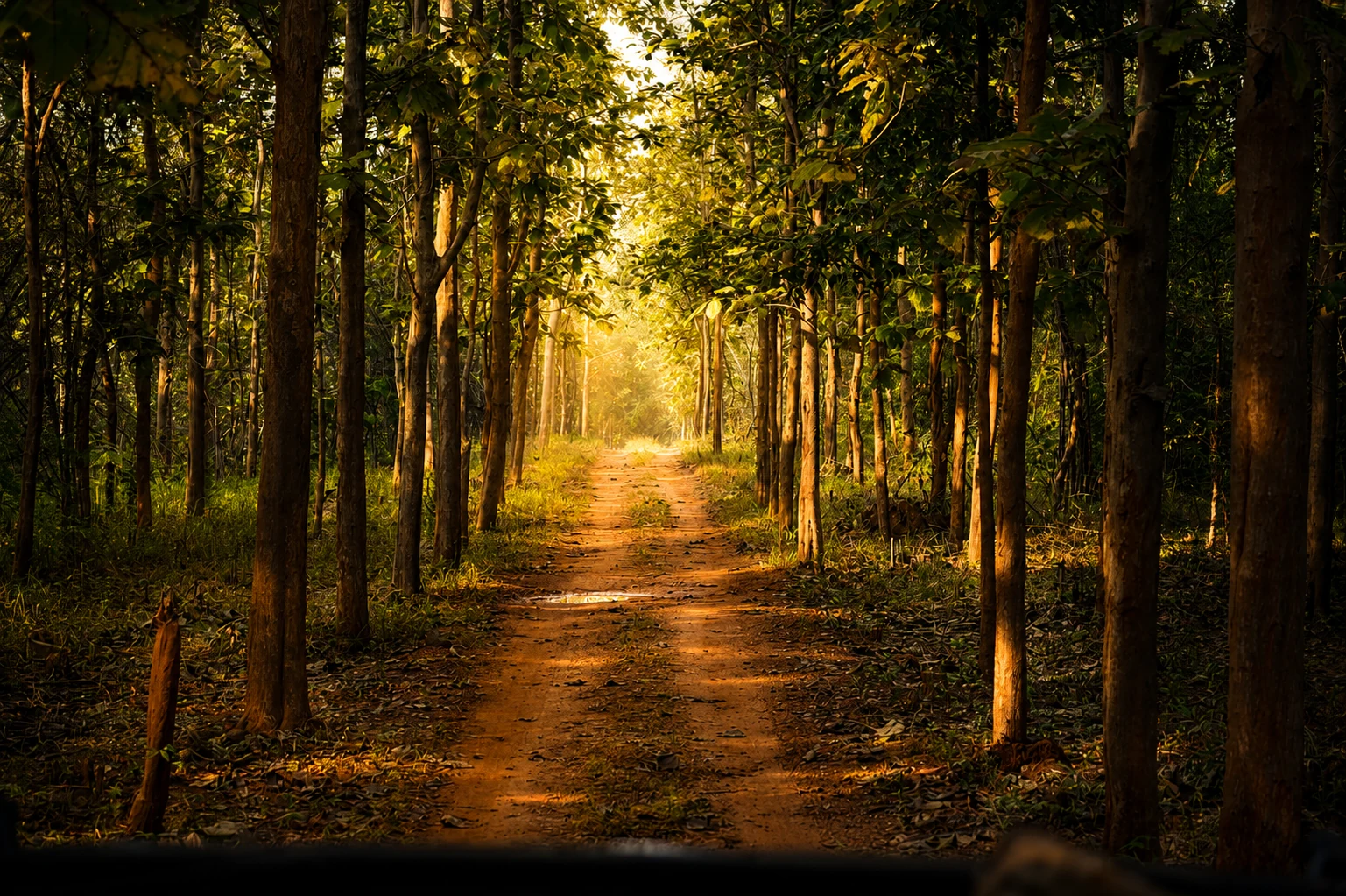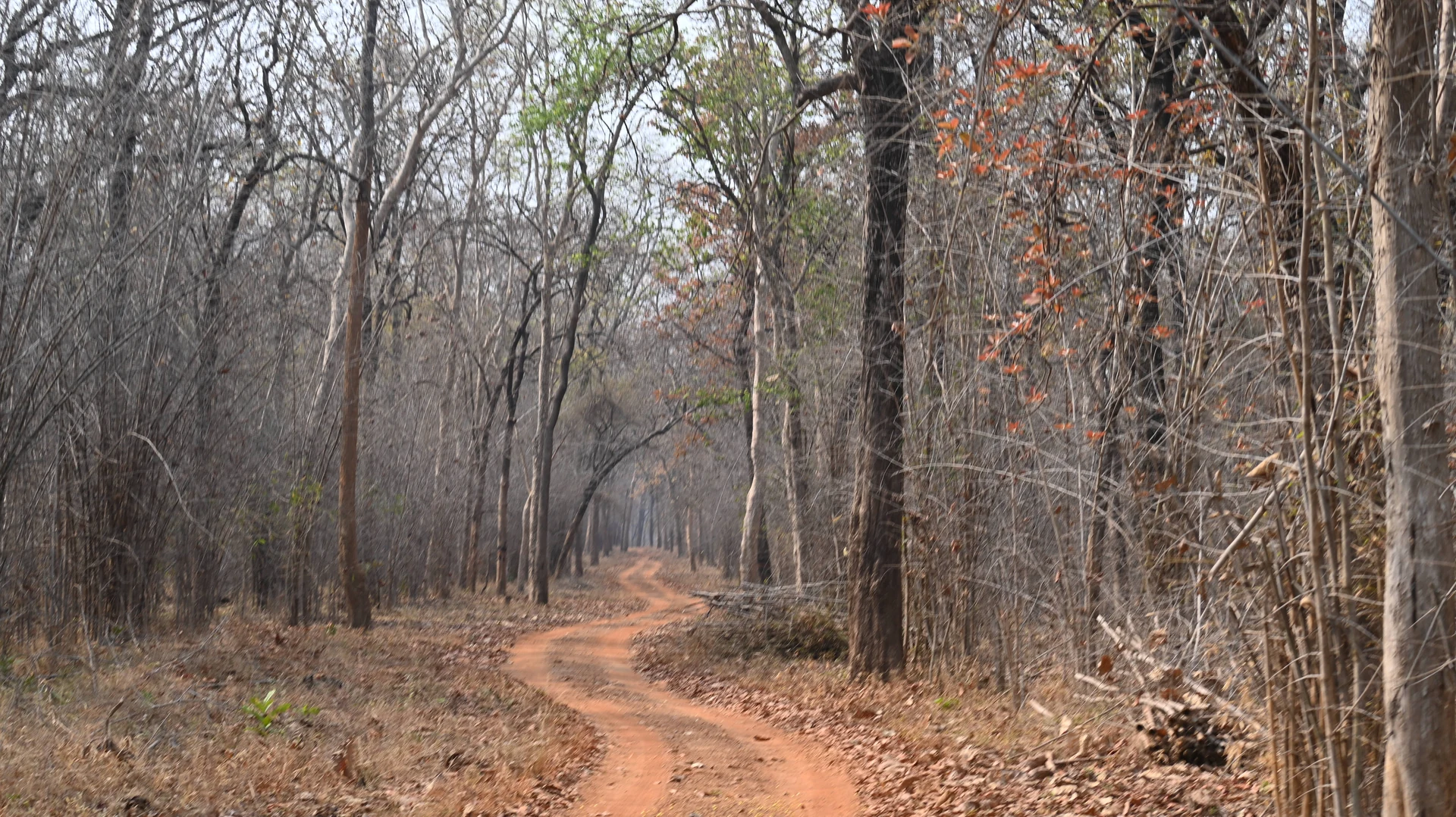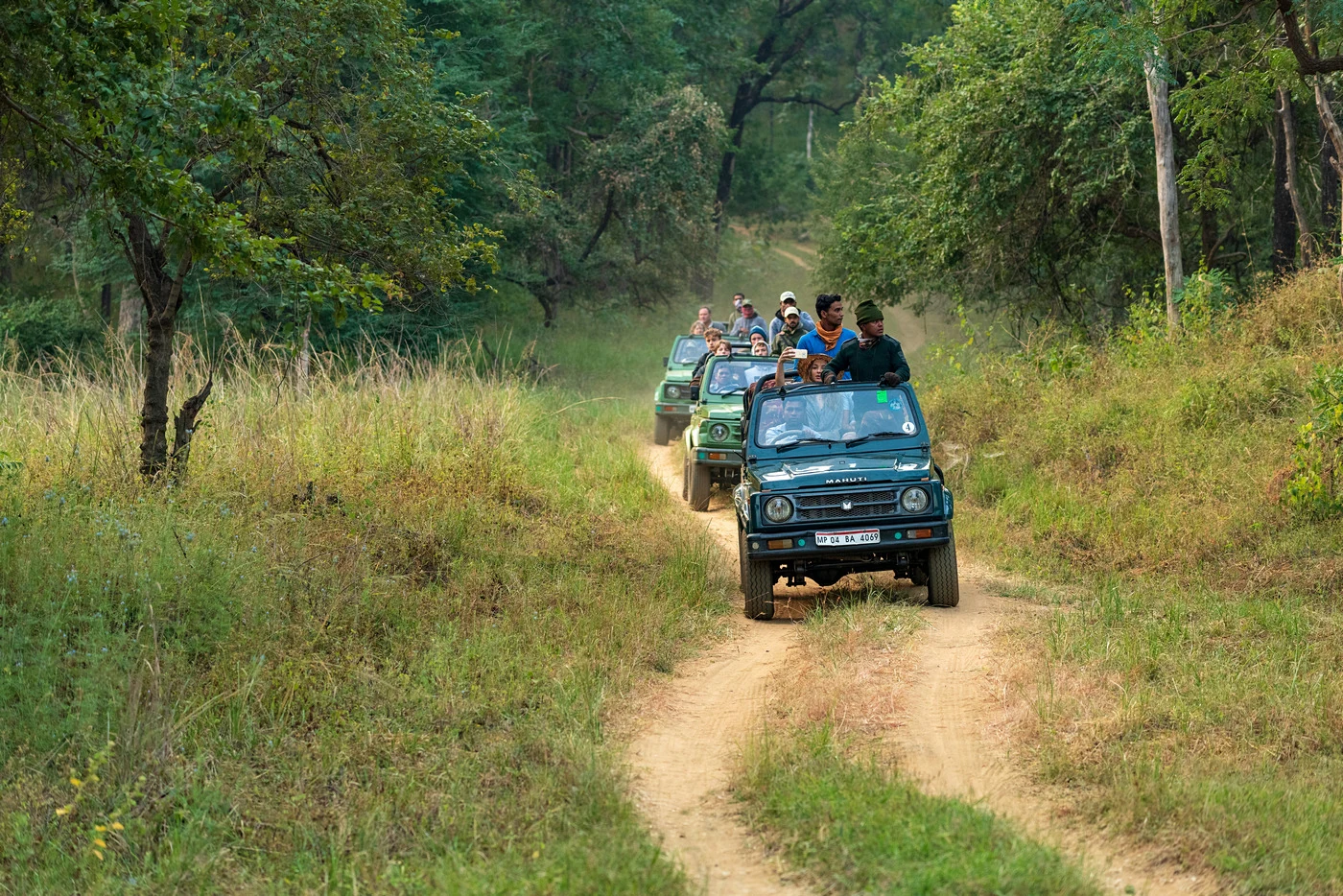
A typical Satpura safari day starts before sunrise with an early morning jeep or walking safari, followed by a midday rest period, and a second safari in the late afternoon before sunset — bookended by meals and downtime at your resort.
Knowing what an actual day looks like — rather than just the safari slot times — helps you plan realistically and pack appropriately. Here's a realistic hour-by-hour look at a typical full safari day in Satpura.
5:00 AM – 5:30 AM: Wake-Up Call
Most resorts, including farmstays near Madhai gate, offer an early wake-up call with tea or coffee before the morning safari. Mornings in Satpura, especially October-February, can be genuinely cold, so layering matters.
5:30 AM – 6:00 AM: Travel to the Gate
Depending on your stay's proximity to the gate, this leg can take anywhere from 10 minutes to over an hour. This is one of the strongest practical arguments for staying within or near the buffer zone — it directly affects how much sleep you get and how early you can realistically arrive.
6:00 AM – 9:30/10:00 AM: Morning Safari
Safaris typically run 3-4 hours, timed around sunrise when animal movement peaks. This is generally considered the best window for tiger and large-mammal sightings, as nocturnal hunters return to cover and diurnal animals become active.
10:00 AM – 1:00 PM: Breakfast and Rest
Back at the resort, a hearty breakfast typically follows. Midday in Satpura — especially March-May — gets hot fast, so this period is usually used for rest, pool time (if available), or low-key farmstay activities.
1:00 PM – 3:30 PM: Lunch and Downtime
Lunch is followed by a quieter stretch of the day. Many guests use this time for a nap, journaling photos from the morning safari, or simply enjoying the farmstay surroundings — a meaningful part of the "nature immersion" experience beyond just the safari itself.
3:30 PM – 4:00 PM: Travel to the Gate (Afternoon Slot)
The second safari of the day departs in the afternoon, timed to return before or around sunset.
4:00 PM – 7:00 PM: Afternoon/Evening Safari
This slot often delivers different sighting patterns than the morning — animals returning to water sources as the day cools, and different bird activity. Light conditions in the late afternoon are also considered excellent for photography.
7:00 PM Onward: Dinner and Evening Wind-Down
Evenings at a buffer-zone resort or farmstay are typically quiet, often featuring bonfires, stargazing (Satpura's low light pollution makes for excellent night skies), and conversation about the day's sightings over dinner.
Planning Tips Based on This Schedule
- Pack layers — mornings can be cold, afternoons hot.
- Don't overschedule midday activities; the rest period exists for a reason, especially in summer.
- If photography matters to you, prioritize morning and late-afternoon safaris over any midday options, for both light and sighting quality.
Frequently Asked Questions
How many safaris happen in a typical full day?
Two — one morning, one afternoon/evening slot — though some visitors choose to skip one slot for rest.
Is the midday break really necessary?
Yes, particularly March-May when daytime heat makes outdoor activity uncomfortable and animal movement drops significantly anyway.
How early do I really need to wake up?
Typically 5:00-5:30 AM to comfortably make a 6:00 AM safari departure, depending on travel time to the gate.
Does the resort provide meals between safaris?
Yes, most resorts and farmstays, including ours, structure meal timing specifically around the morning and afternoon safari schedule.
Experience this full rhythm of safari days yourself. Book your multi-day stay at Satpura Tiger Trails Resort & Farmstays, just minutes from Madhai gate.