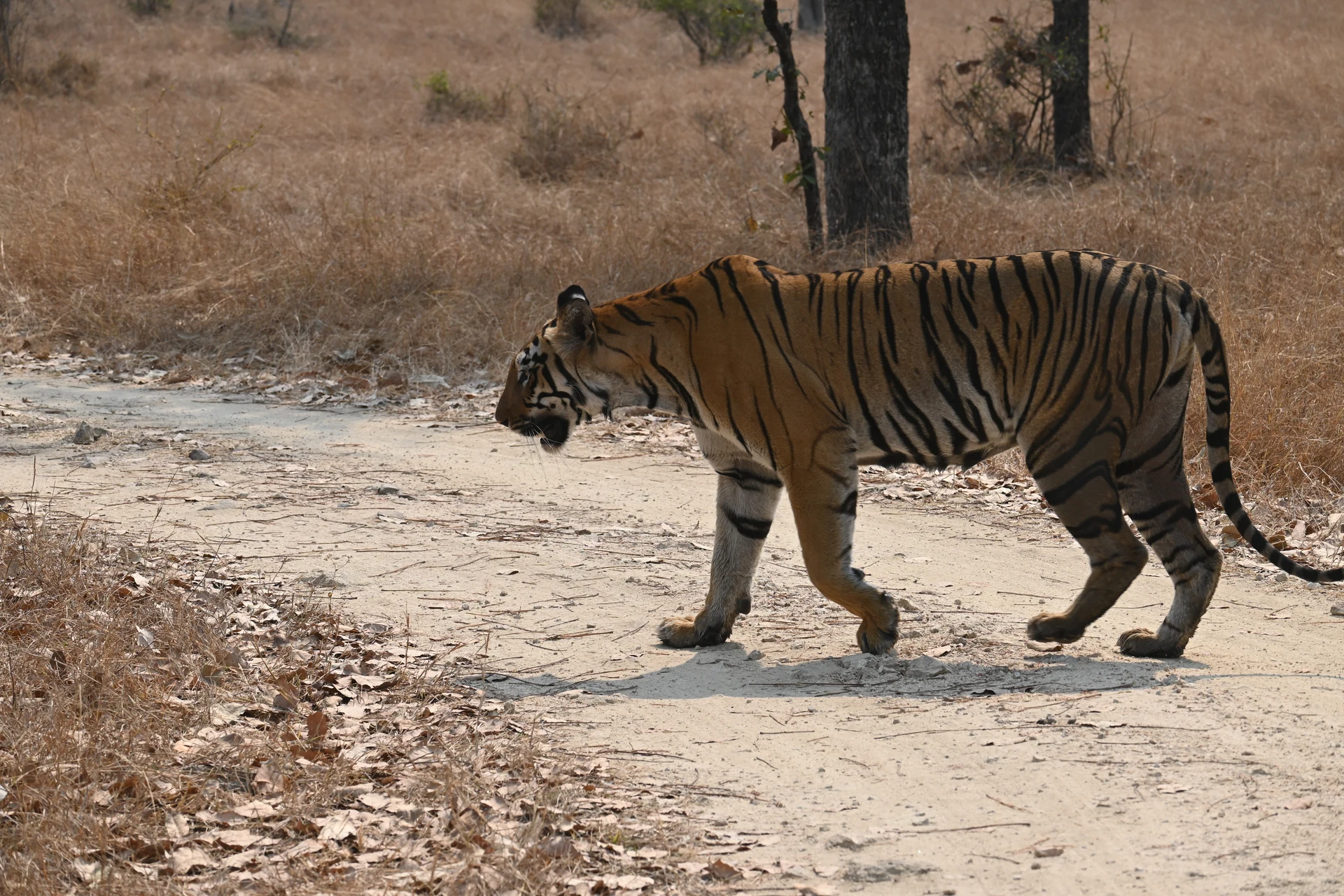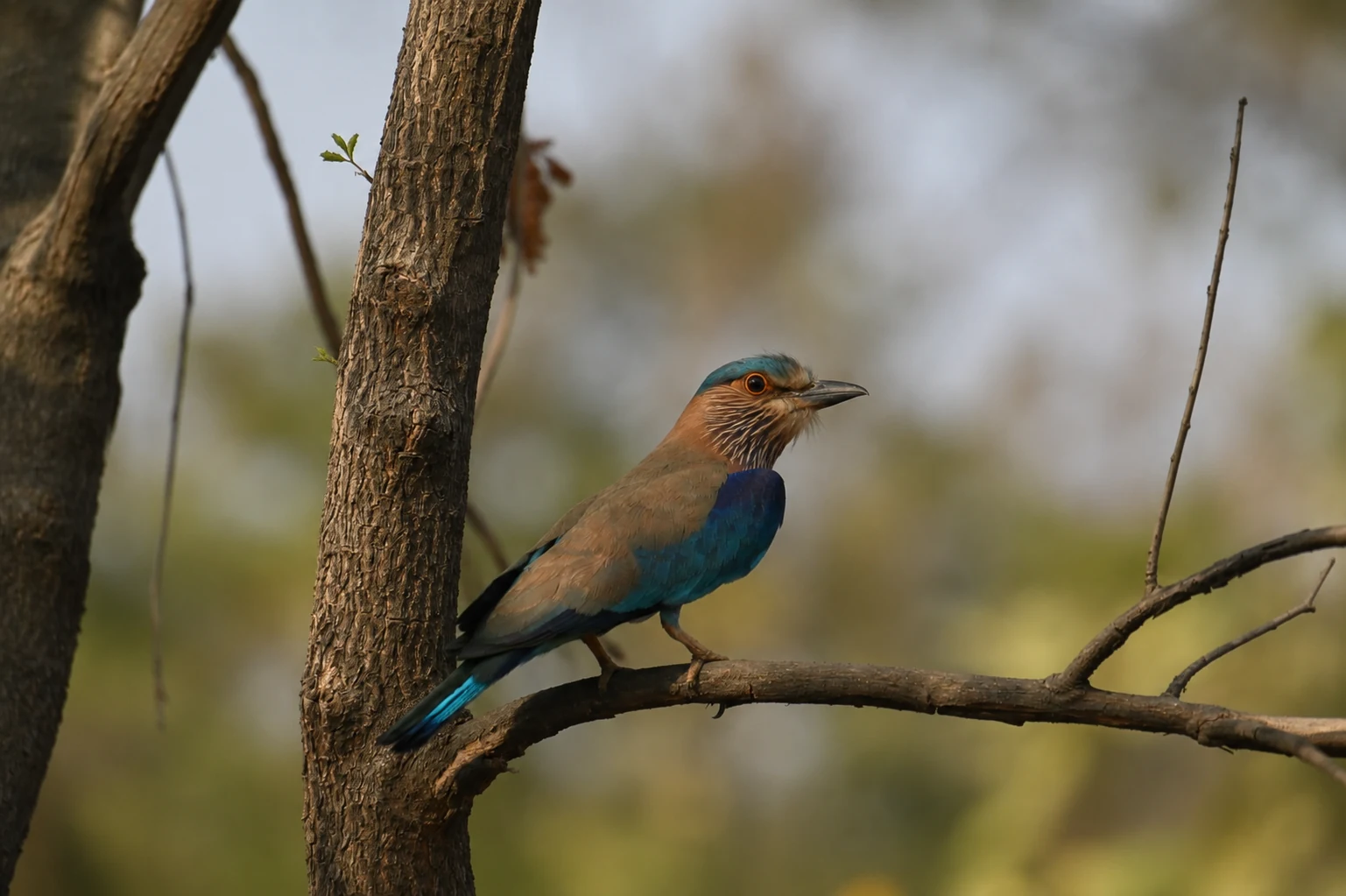
Tiger conservation in Satpura relies on protected core zones, anti-poaching efforts, and community-linked buffer zone management — and responsible tourism, including conservation fees and locally-rooted accommodation, plays a meaningful supporting role in funding and sustaining these efforts.
Understanding the conservation story behind Satpura adds genuine depth to a visit — and helps visitors appreciate how their choices, from safari format to accommodation style, connect to a larger effort protecting one of central India's most important tiger landscapes.
Satpura's Role in India's Tiger Conservation Story
As one of Madhya Pradesh's six tiger reserves, Satpura contributes to India's broader Project Tiger conservation framework, focused on protecting core breeding habitats while managing buffer zones to balance human activity with wildlife protection. Satpura's relatively lower tourist density, compared to Kanha or Bandhavgarh, is itself partly a conservation-driven management choice, limiting vehicle numbers to reduce habitat disturbance.
How Core and Buffer Zone Management Supports Conservation
The core zone's strict access controls protect critical tiger habitat from disturbance, while the buffer zone serves as a managed transition area, balancing community livelihoods (often agricultural, as in villages like Matkuli) with wildlife corridors and reduced human-wildlife conflict.
The Role of Safari and Conservation Fees
A portion of safari permit and conservation fees collected from visitors goes toward reserve management, anti-poaching patrol funding, and habitat maintenance — meaning that responsible, permit-compliant tourism directly contributes to the reserve's ongoing protection, rather than being purely extractive.
Why Responsible Tourism Choices Matter
- Following safari guide instructions and maintaining safe distances reduces wildlife stress and disturbance
- Avoiding off-route exploration protects sensitive habitat areas from unnecessary degradation
- Choosing accommodation that supports local communities — such as farmstays sourcing locally and employing regional staff — extends conservation-linked economic benefits to buffer-zone residents, who play a direct role in coexistence with the reserve
- Respecting noise and photography guidelines minimizes wildlife disturbance, particularly important for sensitive species like tigers and sloth bears
The Connection Between Local Communities and Conservation
Buffer zone communities, including those farming near Matkuli, are directly affected by — and increasingly involved in — conservation efforts, since human-wildlife conflict and habitat pressure are most acute at this interface. Tourism models that meaningfully support these communities, rather than operating in isolation from them, tend to strengthen the broader conservation picture over time.
Our Approach to Responsible Tourism
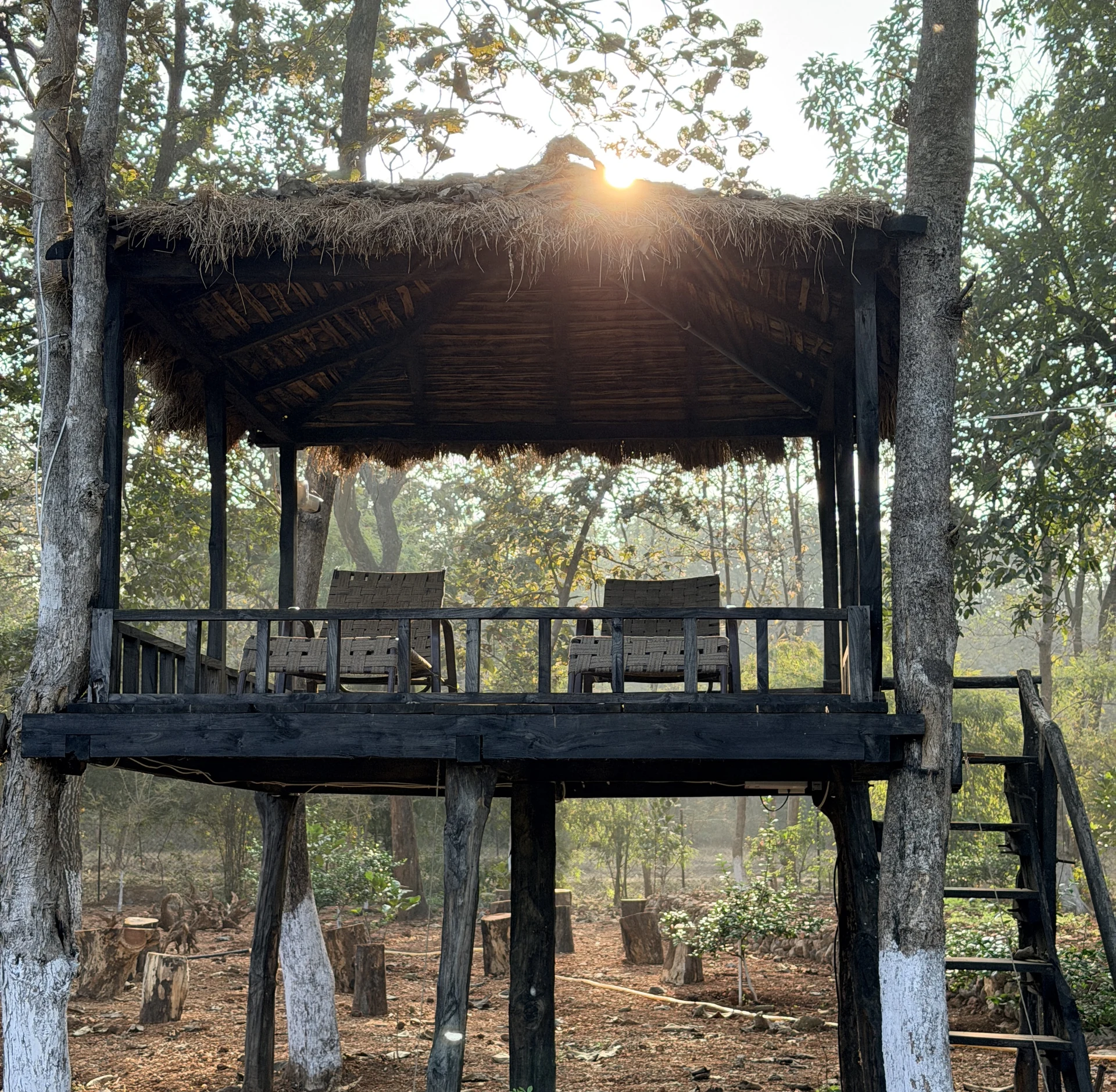
At Satpura Tiger Trails Resort & Farmstays, our farmstay model is built within this buffer-zone context — sourcing locally, supporting regional employment, and operating in a way that's woven into the surrounding agricultural and conservation landscape rather than separate from it. We see responsible tourism not as a marketing checkbox, but as a structural part of how a buffer-zone farmstay should function.
Frequently Asked Questions
Does my safari fee actually contribute to conservation?
Yes, a portion of official permit and conservation fees supports reserve management, anti-poaching efforts, and habitat maintenance.
How can I make sure my visit is genuinely "responsible"?
Follow guide instructions, avoid off-route exploration, respect noise and photography guidelines, and consider accommodation that supports local communities.
Are buffer zone communities involved in conservation efforts?
Yes, increasingly so, given their direct proximity to the reserve and role in managing human-wildlife coexistence.
Does staying at a farmstay genuinely support conservation more than a standard hotel?
Farmstays that source locally and employ regional staff can extend economic benefits to buffer-zone communities, which supports the broader coexistence and conservation picture — though this varies by specific property and practices.
Visit Satpura in a way that gives back to the landscape. Book a responsible, locally-rooted stay at Satpura Tiger Trails Resort & Farmstays in the heart of the buffer zone.