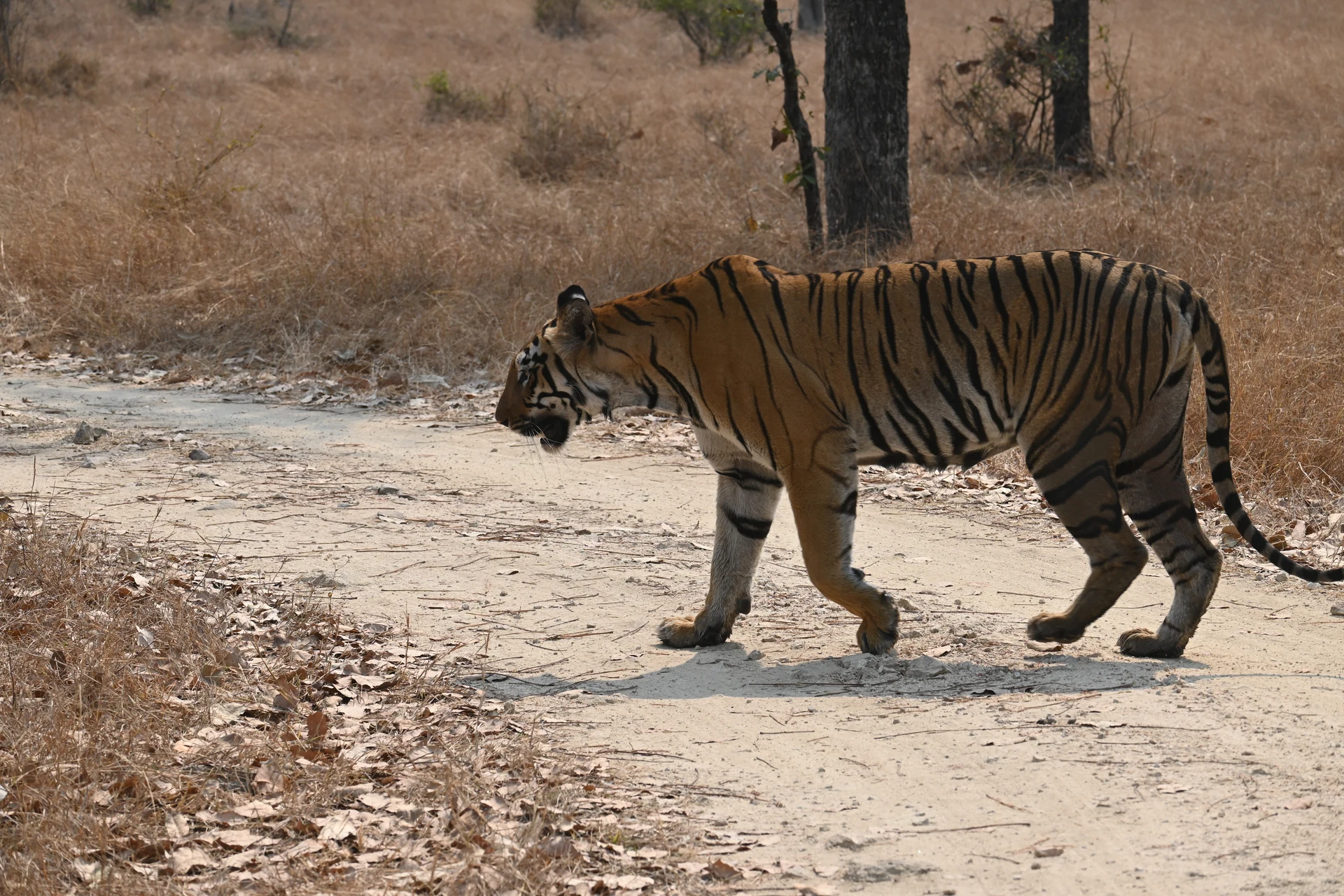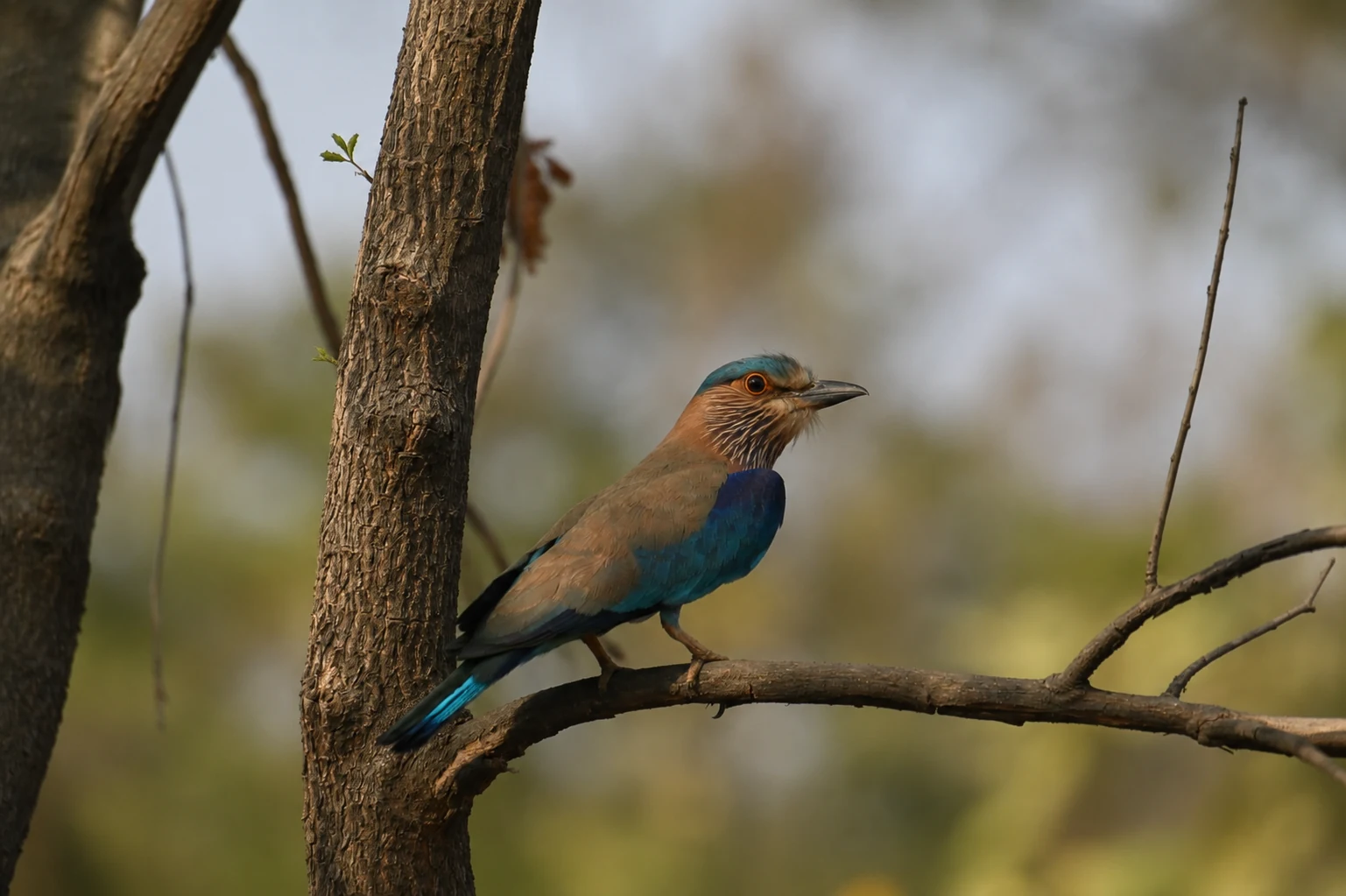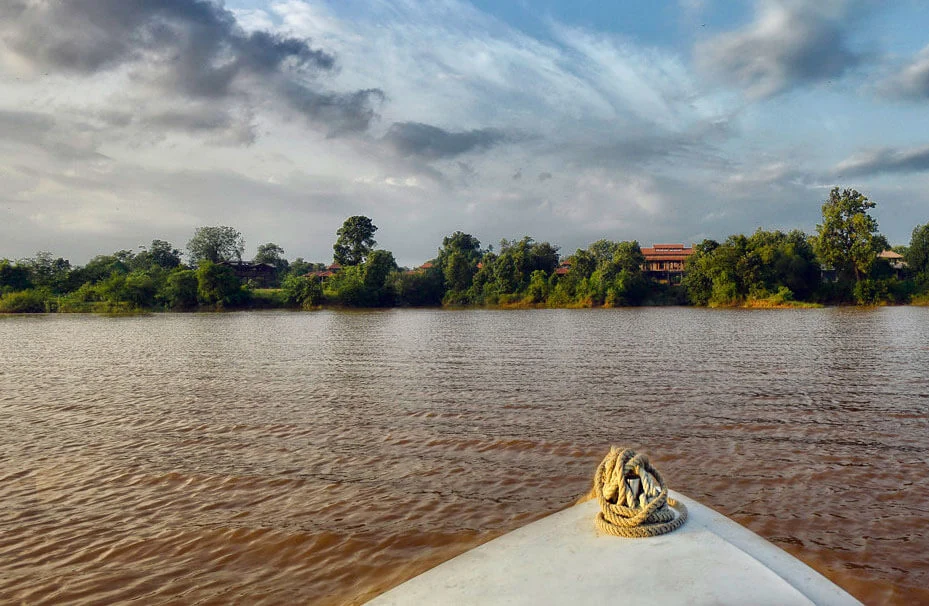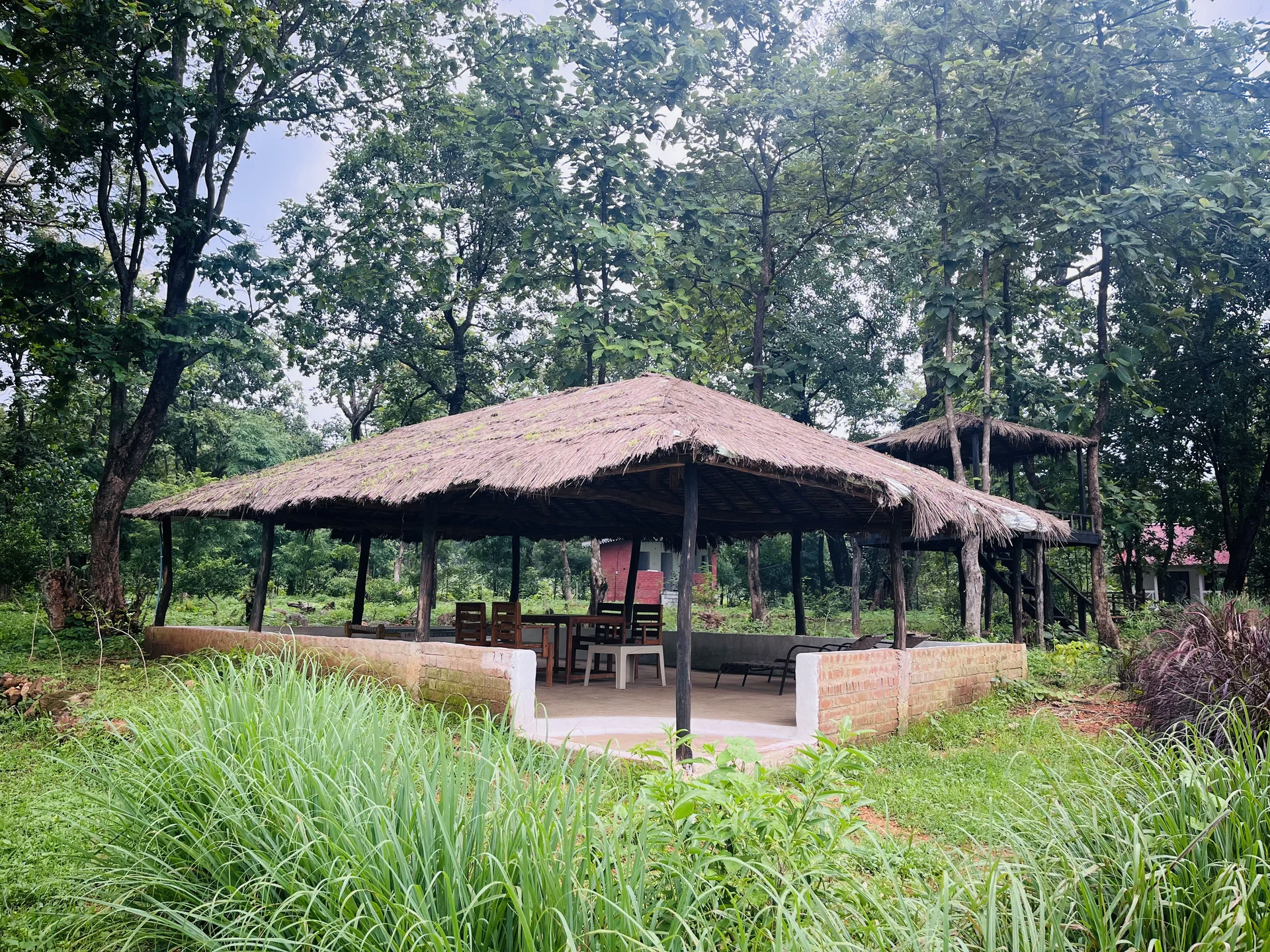
While Satpura's core safari zones close during monsoon (roughly July-September), the season brings dramatic greenery, swollen rivers, and natural phenomena like firefly displays in the surrounding buffer and forest-edge areas — offering a different, less safari-focused kind of nature experience.
Most Satpura content focuses on the open safari season, but the monsoon months — when core zones close for ecological reasons — offer a different, often overlooked side of the region worth understanding, particularly for travelers drawn to nature and landscape over structured wildlife sightings.
Why Core Zones Close During Monsoon
Indian tiger reserves, including Satpura, close their core safari zones during monsoon (typically July-September) to allow undisturbed breeding and movement, protect fragile forest tracks from vehicle damage during heavy rain, and reduce human-wildlife conflict risk during a season when animal movement patterns shift significantly.
What Happens to the Landscape During Monsoon
Monsoon transforms Satpura's hills and forest into a dramatically lush, green landscape, with rivers and waterfalls — including those near Pachmarhi — at their fullest and most visually striking. For landscape photographers and nature lovers less focused on tiger sightings specifically, this is genuinely one of the most beautiful periods in the region.
Firefly Displays
One of the most striking, lesser-known monsoon (and pre/post-monsoon) phenomena in and around Satpura's forest edges is firefly activity, particularly in the buffer zone after dusk during the right conditions — a quiet, almost magical natural display unrelated to formal safari activities.
What's Still Accessible During Monsoon
While core zone safaris close, buffer zone areas, farmstay experiences, and broader regional attractions like Pachmarhi often remain accessible, depending on specific conditions and local management decisions each year. This makes monsoon a viable, if niche, period for travelers more interested in landscape, rain-fed waterfalls, and a quieter, nature-immersive farmstay experience than structured tiger safaris.
Who Should Consider a Monsoon Visit
- Landscape and nature photographers prioritizing scenery over wildlife sightings
- Travelers specifically interested in firefly displays or monsoon greenery
- Visitors wanting a quieter, less touristy period with significantly fewer crowds
- Those who've already completed a safari-focused Satpura trip and want a different seasonal experience
Who Should Avoid Monsoon Timing
Visitors whose primary goal is a tiger or core-zone wildlife safari should avoid monsoon entirely, since these zones are closed, and plan instead for the October-June open season described in our seasonal safari guide.
Frequently Asked Questions
Are any safaris available during monsoon?
Core zone safaris are closed; some buffer zone or nature-based activities may remain available depending on the specific year and conditions — confirm directly with your resort.
When exactly does Satpura's monsoon closure happen?
Typically around July to September, though exact dates can shift slightly year to year based on official forest department decisions.
Is monsoon a good time for a farmstay-only visit, without safaris?
Yes, particularly for travelers drawn to landscape, greenery, and a quieter, off-season nature experience.
Can I see fireflies at other times of year, or only during monsoon?
Firefly activity is generally most associated with monsoon and the months surrounding it, though exact timing can vary with local conditions.
Curious about Satpura beyond the safari season? Reach out to Satpura Tiger Trails Resort & Farmstays to ask about monsoon-period stays and seasonal experiences.